
The AI assistant wars have two clear frontrunners, and everyone wants a winner. Is Google Gemini better than ChatGPT? After using both as daily drivers, my answer is annoying but honest: they’re better at different things, the gap is smaller than partisans claim, and the right choice depends on where you live digitally. Here’s the real comparison.
Is Google Gemini better than ChatGPT?
Where Gemini wins
- Google ecosystem integration: This is the big one. Gemini lives inside Gmail, Docs, Drive, Calendar — “summarize my unread emails,” “find the budget doc and pull the Q3 numbers,” “draft a reply to this thread.” If your digital life runs on Google Workspace, this integration is transformative in a way ChatGPT’s (good but external) integrations can’t match.
- Multimodal understanding: Google DeepMind‘s native multimodality shows — video understanding, complex image reasoning, and mixed-media inputs feel more fluid. “Watch this video and summarize the key arguments” works impressively.
- Real-time information: Google’s search infrastructure gives Gemini naturally fresh, well-grounded answers on current topics. Less “knowledge cutoff” awkwardness.
- Long context: Gemini’s context windows have led the industry — entire codebases, book-length documents, hours of video. For “read all of this and reason about it” tasks, it’s formidable.
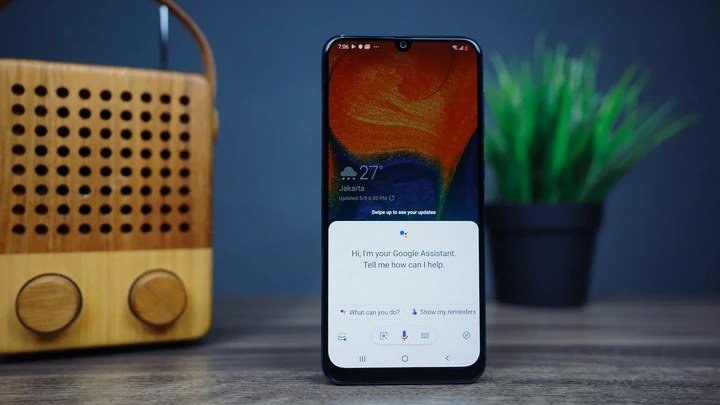
- Android integration: As covered in AI assistant for Android — the system-level assistant story favors Gemini on Android.
Where ChatGPT wins
- Reasoning and writing quality: On hard reasoning tasks and nuanced writing, OpenAI‘s models still set the bar. The gap narrowed, but for “think hardest about this,” ChatGPT remains the pick.
- Ecosystem and features: Custom GPTs, Canvas, the plugin/app ecosystem, voice mode maturity — OpenAI’s product velocity on features is relentless.
- Developer ecosystem: The API, documentation, and third-party tooling around OpenAI’s models remain the industry default. Builders default here.
- Consistency: ChatGPT’s behavior is more predictable across sessions — Gemini occasionally surprises with over-eager integration or inconsistent persona.
The decision framework (pick by your life)
- Google Workspace user? → Gemini, probably. The integration dividend is real and daily.
- Writer/researcher needing top reasoning? → ChatGPT, probably. The quality edge on hard thinking is real.
- Android power user? → Gemini for system tasks + ChatGPT app for brain tasks. The two-assistant setup.
- Developer? → ChatGPT ecosystem by default; evaluate Gemini for specific multimodal/long-context needs.
- Privacy-sensitive? → Compare data policies carefully; neither is local. (Local models are the real answer here.)
Switching and using both
The good news: switching costs are near zero — your prompting skills transfer completely, and most workflows rebuild in an afternoon. Switch from ChatGPT to Gemini covers the migration practically. And honestly? Most power users end up with both — free tiers make this cheap, and each covers the other’s weaknesses. The “which is better” framing misses that they’re complements as much as competitors.
The meta-view
Gemini’s hidden strengths (beyond the obvious)
A few Gemini advantages that don’t make the headlines: NotebookLM-adjacent research — Google’s research tools share DNA with Gemini, and the “grounded in your sources” workflow (upload docs, get cited answers) is exceptional for research-heavy users. YouTube understanding — “summarize this video, extract the key arguments, timestamp the important parts” leverages Google’s video infrastructure natively. Maps and local — travel planning with real Maps integration (“plan a day in Lisbon with transit times”) beats generic itineraries. Multilingual breadth — Google’s translation heritage shows in strong non-English performance. These aren’t the reasons most people switch, but they’re the reasons switchers stay — the integration dividend compounds in ways the feature comparison doesn’t capture.
ChatGPT’s hidden strengths (beyond the obvious)
And the other side, for balance: memory and personalization depth — ChatGPT’s cross-session learning creates a genuinely personal assistant over time. The GPT ecosystem — thousands of specialized custom GPTs for niche workflows, a long-tail advantage that’s hard to replicate. Voice mode maturity — the most natural voice conversations in the industry, by most accounts. Developer mindshare — the tutorials, tools, and community knowledge assume OpenAI first, which matters when you’re stuck at midnight. Reasoning models — for the hardest thinking tasks, the “thinking” models remain the benchmark others chase. Switchers who come back usually cite one of these — the headline features are comparable, but the depth in specific workflows differs.
Making the final call (a tiebreaker)
If you’re still torn after the comparison, here’s the tiebreaker that actually works: use each exclusively for one week — not side by side (which favors the familiar), but a full week immersed in each. Track friction: where did you reach for the other one? Those reach-for moments are data — they reveal which tool fits your actual life versus your imagined one. A week each, honest notes, then decide. Most people find the decision makes itself by day four. And remember: the cost of choosing “wrong” is near zero — switching back takes an afternoon. The only real mistake is staying paralyzed between two excellent options while using neither well.
Step back: we have two (or more) excellent AI assistants competing fiercely, each pushing the other forward. The winner is the user. ChatGPT vs Google explored the deeper search-vs-chat question; this is the narrower product comparison. Revisit annually — leadership in this race changes, and today’s answer is a snapshot, not a verdict. Test both with your real work. Your workflow, your winner.



