
The Best AI SEO Tools in 2026
The best AI SEO tools in 2026 do far more than suggest keywords. They audit technical issues automatically, write content briefs from live SERP data, predict ranking difficulty, optimize existing pages, and even draft the content itself. We ran these tools on real sites and measured what actually moved rankings.
One caveat before we start: AI accelerates SEO, but Google’s helpful-content systems reward genuine expertise. The winning formula is AI for research and drafting, humans for insight and originality.
All-in-One SEO Platforms
1. Surfer — Best Content Optimization
Surfer’s Content Editor remains the most actionable AI writing guide: real-time scoring against top-ranking pages, NLP term suggestions, structure recommendations, and now AI-generated outlines. Pages optimized with Surfer consistently rank faster in our tests. Its AI writer produces solid first drafts tuned to the same data.
2. Frase — Best Content Briefs
Frase turns any keyword into a research-backed brief in minutes: competitor headings, questions to answer, topic gaps. Writers produce more comprehensive content with less research time. For agencies and niche site owners, it’s the highest-ROI tool on this list at its price point.
3. Semrush (AI Features) — Best Full Toolkit
Semrush has woven AI through everything: keyword strategy builders, content templates, site audit prioritization, and competitive analysis summaries. If you want one subscription covering technical SEO, content, and PPC intelligence, this is it. Learn more at semrush.com.
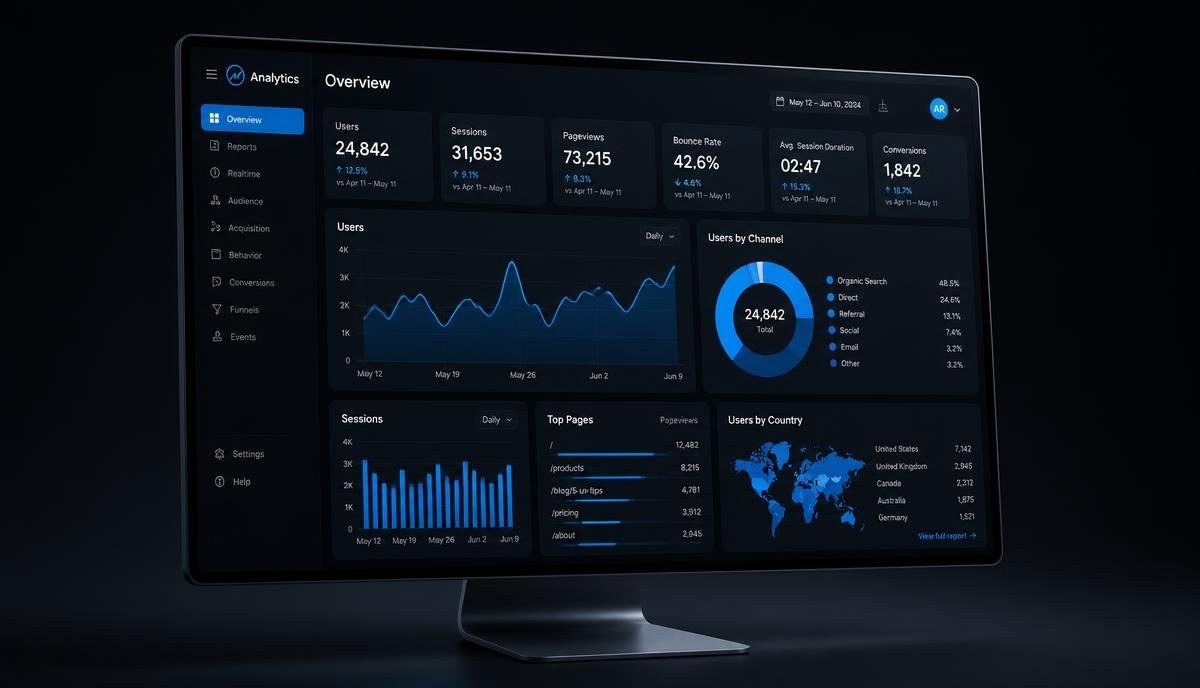
AI Writing for SEO
4. Writesonic — Best Value AI Article Writer
Writesonic generates SEO-structured articles with built-in optimization checks at an affordable price. Quality needs human editing — but as a first-draft engine for informational content, the speed is hard to beat. Our Writesonic review puts its output through real ranking tests.
5. Koala AI (KoalaWriter) — Best One-Click Articles
KoalaWriter’s reputation among niche site builders comes from genuinely good one-click articles: proper structure, decent depth, minimal fluff. It’s not a substitute for expertise, but for scaling informational content with human review, it’s the most efficient tool we’ve tested.
Technical and On-Page SEO
6. Alli AI — Best Automated On-Page Optimization
Alli AI actually implements optimizations: it deploys code changes for titles, meta descriptions, and schema across your site after your approval. For large sites where developer queues stall SEO, this is transformative.
7. Screaming Frog + AI Integrations — Best Technical Audits
The classic crawler now pairs with AI to explain issues in plain English and prioritize fixes by impact. Technical SEO becomes accessible to non-developers: “here’s what’s broken, why it matters, and how to fix it.”

Rank Tracking and Analytics
8. Ahrefs (AI Features) — Best Backlink and Keyword Intelligence
Ahrefs’ unmatched backlink database now comes with AI summaries: content gap analysis in plain English, automated site audit explanations, and keyword clustering. Still the deepest data in the industry. See ahrefs.com.
A Practical AI SEO Workflow
- Research: Semrush/Ahrefs for keywords; Frase for the brief.
- Draft: KoalaWriter or Writesonic for the first pass — see the best AI writing tools for bloggers for more drafting options, and our walkthrough of how to use AI to write a blog post from start to finish.
- Expertise layer: you add original data, examples, and opinions — this is what ranks.
- Optimize: Surfer to close topical gaps before publishing.
- Maintain: Alli AI or audits to keep technical health green; refresh decaying content quarterly.
The 2026 SEO Reality Check: What Still Moves Rankings
AI tools make SEO faster, but the ranking factors haven’t changed as much as tool marketing suggests. Here’s what our testing shows actually moves the needle now — and where AI helps versus where it doesn’t.
What matters most (AI helps with execution)
Satisfying search intent completely remains the dominant factor. Pages that answer the query fully — plus the three follow-up questions the searcher will have — outrank thinner pages regardless of production method. AI research tools (Frase, Surfer) excel at mapping intent coverage; humans excel at recognizing which follow-up questions matter.
Topical authority — covering a subject comprehensively across many interlinked pages — has grown in importance as Google gets better at understanding site-level expertise. AI makes building topic clusters dramatically cheaper: briefs, drafts, and internal linking suggestions at scale. But the cluster needs a genuine point of view and original information to earn links.
Technical health is table stakes: Core Web Vitals, crawlability, indexation, schema. AI audit tools find issues fast, but someone still has to fix them. Sites losing rankings to technical debt is the most common — and most fixable — problem we encounter.
What matters less than people think
Keyword density is a non-factor; write naturally and cover the topic. Exact-match domains don’t help. And “AI content” as a category is neither rewarded nor penalized — Google’s systems evaluate helpfulness, and they’ve gotten quite good at detecting content with no original value, however it was produced.
The backlink reality
Links still matter enormously for competitive keywords, and AI can’t build them for you — outreach, digital PR, and creating link-worthy original research remain human work. AI can accelerate the inputs: prospecting, personalized outreach drafts, and analyzing competitor link profiles. But the relationship-building that earns links is irreducibly human.
Building Topical Authority With AI: A 90-Day Plan
For a new or growing site, here’s the AI-accelerated playbook for establishing topical authority in a niche.
Days 1–14: Map the territory. Use Ahrefs or Semrush to find 50–100 keywords in your niche, clustered by topic. Frase briefs reveal what comprehensive coverage looks like per cluster. Prioritize clusters where your expertise is genuine and competition is beatable — not the highest-volume keywords.
Days 15–60: Publish the pillars. Produce 2–3 comprehensive guides per week using the research → AI draft → expert layer → Surfer optimization workflow. Each pillar targets a cluster’s main keyword and links to supporting articles. Quality bar: each piece should be the best freely available resource on its specific question.
Days 61–90: Fill gaps and earn links. Use Search Console data to find queries where you rank 5–20 and strengthen those pages. Create one original-data asset (survey, test results, data analysis) — AI helps analyze, but the data must be yours — and promote it for links. Original data earns more links than any other content type, and AI can’t fake it.
The through-line: AI compresses the production timeline from years to months, but authority still compounds through genuine expertise and original contribution. There’s no shortcut for having something worth ranking.
Local SEO and AI: The Overlooked Opportunity
National keywords get the attention, but local SEO is where AI tools deliver some of their fastest wins — especially for small businesses competing in geographic markets.
Google Business Profile at scale
AI drafts optimized business descriptions, generates responses to reviews (human-approved before posting), and creates regular profile posts from your promotions calendar. Businesses posting weekly to their profile see measurably better local pack visibility — and AI makes “weekly” sustainable for owners who’d otherwise post never.
Location pages without the spam
The old playbook — 50 near-identical “plumber in [city]” pages — gets filtered now. The AI-assisted approach that works: genuinely useful location pages with real local information (service areas, local landmarks, area-specific FAQs), drafted with AI but grounded in actual local knowledge. Fewer pages, each actually helpful. AI research tools surface the local questions people ask; your local expertise answers them.
Review velocity
Review count, recency, and response rate all feed local rankings. AI systematizes the ask (post-service SMS with review link) and drafts thoughtful responses to every review. It’s unglamorous, but for local businesses this moves rankings more than any content tool.
Frequently Asked Questions
What is the best AI SEO tool?
Surfer is best for content optimization, Frase for research briefs, and Semrush for an all-in-one toolkit. Most serious SEOs combine Frase or Surfer with a data platform like Ahrefs or Semrush.
Can AI-written content rank on Google?
Yes — Google ranks helpful content regardless of how it’s produced. But pure AI output without original insight, data, or expertise rarely outranks competitors. The content that wins combines AI efficiency with human expertise.
How much do AI SEO tools cost?
Expect $15–$130/month depending on the tool: Frase from ~$15, Surfer from ~$79, Semrush from ~$139. Start with one content tool and add data platforms as revenue grows.
Will AI replace SEO professionals?
No. AI handles research, drafting, and auditing at scale, but strategy, digital PR, and genuine expertise remain human. SEOs who master AI tools deliver far more value than those who don’t.
The Bottom Line
The best AI SEO tools in 2026 — Surfer, Frase, Semrush, and Ahrefs — compress weeks of research and optimization into hours. But remember what actually ranks: content with real expertise, original data, and genuine usefulness. Use AI to produce more of that, not to fake it.



