
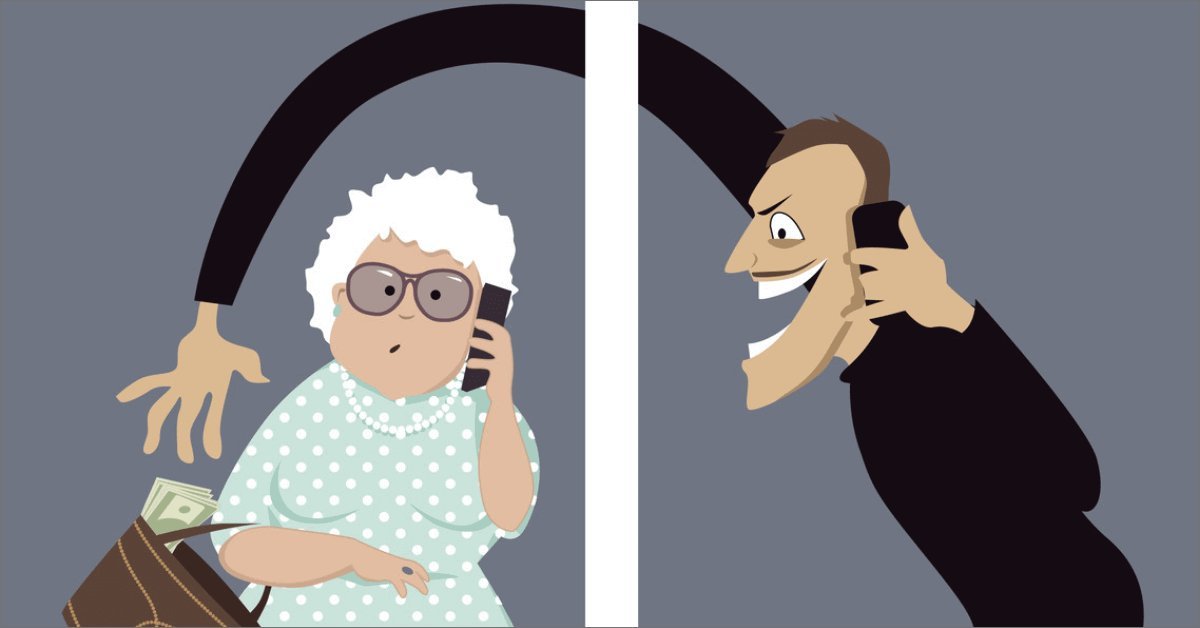
Short answer: usually no — and the legal walls are getting higher every year. Here’s the detailed picture of whether AI voice cloning is legal without consent, because “I didn’t know” won’t protect you.
Is AI Voice Cloning Legal Without Consent
Across most jurisdictions, the rule converging is: you need consent to clone an identifiable person’s voice, especially for commercial use, public distribution, or deception. The specific laws vary, but the direction is uniform — voice is increasingly treated like face: an aspect of identity you don’t get to use without permission.
Key laws (2026 landscape)
- US – Tennessee ELVIS Act: explicitly protects vocal likeness against unauthorized AI cloning, including for non-celebrities. Other states (California, New York) have digital-replica and right-of-publicity laws covering voice.
- US – proposed federal NO FAKES Act: would create a federal digital-replica right. Watch this space — it would standardize protection nationally.
- EU – AI Act: requires disclosure of AI-generated content including synthetic voices; member-state personality rights add further protection.
- UK: passing-off and data protection frameworks apply; specific AI legislation evolving.
- Right of publicity (various US states): using someone’s voice for commercial purposes without consent was already actionable before AI — cloning just made it easier to violate.
What’s clearly illegal vs. gray areas
Clearly illegal: cloning a real person to scam, defame, or create fake endorsements; commercial use of someone’s cloned voice without permission; political deepfakes in many jurisdictions. Gray areas: parody/satire (some protection, varies by jurisdiction), cloning deceased persons (estate rights vary), internal/test use never distributed, transformative artistic use. Gray doesn’t mean safe — it means “consult a lawyer before proceeding.”
Platform enforcement (the practical law)
Even where statutes lag, platforms enforce: YouTube, TikTok, and Meta all have impersonation policies with takedown processes. ElevenLabs and reputable tools require consent verification for cloning. Getting deplatformed or sued by a platform is often faster than any court — the practical risk is immediate regardless of jurisdiction.
Staying compliant: checklist
- Get written consent before cloning any real person’s voice — specify uses, duration, and compensation.
- Use tools with built-in consent verification.
- Disclose AI-generated voices where required (EU AI Act, platform policies).
- Never clone for deception, fraud, or impersonation — criminal liability territory.
- For commercial projects, have contracts reviewed — voice rights are now a standard clause.
- When in doubt, use synthetic/stock voices instead of cloning real people.
Consent frameworks that actually work
“Get consent” is easy to say — here’s what functional consent looks like. Written agreements specifying: what voice is being cloned, for what purposes, for how long, in which territories, for what compensation, with what revocation rights. Technical verification: reputable platforms verify identity before allowing cloning (voiceprint matching, ID checks) — use them; avoid tools without verification. Ongoing consent: for long-term arrangements, periodic re-confirmation — consent given in 2024 for a 2026 use deserves a fresh check.
Special cases: deceased persons — estate/family consent, and consider whether they’d have wanted it; minors — parental consent plus extra caution; employees — employment agreements should address voice AI explicitly, with separate consideration (not buried in onboarding paperwork); public figures — no implied consent from fame; still need permission for commercial/synthetic uses.
What to do if your voice is cloned without consent
Act quickly: document everything (URLs, screenshots, dates), report to platforms (all major platforms have impersonation processes — use them immediately), send cease-and-desist (a lawyer’s letter resolves most cases), file complaints with relevant authorities (FTC for fraud, state AGs for publicity rights violations), and go public if needed (a clear statement that the content isn’t you limits damage). The FTC’s consumer resources cover impersonation fraud reporting. Speed matters — synthetic content spreads fast; responses must too.
Protect yourself as a voice owner: action list
Whether you’re a professional voice user or just someone with a voice, do this. Today: set up alerts (your name + “AI voice”/”deepfake”/”voice clone”). This week: audit your public audio exposure; brief your inner circle on verification (safe word + callback rule). This month: understand your jurisdiction’s voice rights; identify legal counsel before you need them; review any contracts involving your voice for AI clauses.
If you earn money with your voice: add AI-specific clauses to all new contracts (no training, no synthetic reproduction without separate agreement), consider registering your voiceprint with protection services, and join professional organizations working on AI policy. Your voice is an asset — manage it like one. The legal landscape favors the prepared; the unprepared discover their rights after they’ve been violated.
Practical takeaway
- No — cloning identifiable voices without consent is illegal or actionable in most jurisdictions.
- ELVIS Act, EU AI Act, and state publicity laws form a tightening net.
- Get written consent specifying uses; use verified-consent tools.
- Deception/fraud with cloned voices risks criminal liability.
- Default to synthetic voices when consent is unclear.
Keep exploring
If you found this useful, these related guides go deeper:



