
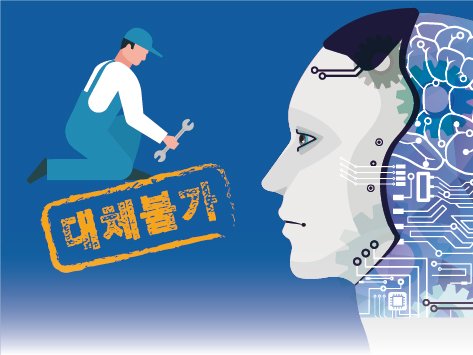
“Cannot” is a strong word — technology surprises. But some freelance services have structural resistance to automation, rooted in what AI fundamentally lacks: accountability, lived experience, genuine creativity, and human trust. What freelance services cannot be automated by AI? Here’s the durable list — the work that’s safe not for years but for the foreseeable future, and why each item resists.
What freelance services cannot be automated by AI: The Full Breakdown
Why it resists: strategy requires understanding a specific business’s context, politics, constraints, and ambitions — then making judgment calls with incomplete information and owning the consequences. AI can analyze; it can’t advise in the meaningful sense, because advice implies accountability for the outcome. Examples: business strategy consulting, brand strategy, content strategy, fractional CMO/COO services, technical architecture decisions. The durability: as AI makes execution cheap, strategy becomes more valuable — someone must decide what the cheap execution should do.
2. Expertise-Based Services
Why it resists: real expertise — the kind built from years of seeing edge cases, failures, and weird situations — can’t be downloaded. AI has information; experts have judgment. Clients pay experts for the judgment: “is this right for my situation?” Examples: specialized legal services, medical writing, financial advising, technical due diligence, expert witness work, niche consulting (the cardiologist-copywriter). The durability: expertise is the verification layer for AI output — the more AI generates, the more experts are needed to judge it.
3. Trust and Relationship Services
Why it resists: trust is inherently human — it’s built through shared experience, kept promises, and mutual understanding. No one trusts an AI the way they trust a person who’s been in the trenches with them. Examples: executive coaching, business coaching, fractional leadership, client relationship management, partnership development, community management (the genuine kind). The durability: permanent. Trust requires a someone — and AI, however capable, is not a someone.
4. Original Creative Work
Why it resists: AI remixes patterns from training data; genuine originality — new styles, new concepts, new ways of seeing — comes from human experience and intention. Clients seeking distinctive creative work (not competent generic work) need humans. Examples: original brand identities, distinctive illustration, creative direction, original photography, innovative product design. The durability: strong, though the bar rises — “original” must mean genuinely distinctive, not just human-made-generic.
5. High-Stakes Accountability Work
Why it resists: when failure costs real money, health, or freedom, someone must own the decision. AI can’t be sued, fired, or held accountable — so humans must stand behind high-stakes work. Examples: legal representation, financial auditing, medical services, security assessments, executive decision support. The durability: structural — tied to legal and moral accountability, not just capability.
6. Complex Human Facilitation
Why it resists: workshops, mediations, stakeholder alignment, team building — work that requires reading rooms, managing emotions, and navigating human complexity in real time. Examples: facilitation, mediation, training delivery, event hosting, sales (relationship-based). The durability: high — embodiment and emotional intelligence remain human domains.
Building Your Practice Around the Durable
Audit your services against this list: which of your offerings touch strategy, expertise, trust, originality, accountability, or facilitation? Shift emphasis toward those elements — even within existing services. The blog writer becomes the content strategist; the designer becomes the brand advisor; the VA becomes the operations consultant. Price the durable: these services command premiums precisely because they can’t be automated — charge accordingly. For the full competitive strategy: competing as a human and safest skills ranked.
Future-Proofing: Keeping Services Durable
Durability isn’t static — today’s moat erodes if you coast. Deepen continuously: the expert who stops learning becomes the ex-expert. Read, practice, take the hard cases — expertise compounds but also decays without maintenance. Document your judgment: write about why you make the calls you do — case studies of difficult decisions, frameworks you’ve developed. Documented judgment becomes IP that deepens the moat.
Strengthen relationships deliberately: check in with past clients, remember their goals, become genuinely invested. Relationships are the moat AI can’t cross — but they need tending. Stay at the frontier of your craft: know what AI can now do in your domain — the line moves, and your positioning must move with it. The strategist who doesn’t know current AI capabilities can’t advise credibly. Build assets, not just income: courses, frameworks, methodologies, audiences, IP — assets that generate value beyond your hours. The ultimate durability isn’t a service AI can’t do; it’s a business AI can’t replicate.
The 5-year test: annually, ask of each service — “could AI do 80% of this yet?” If yes, you’re already late moving up. The durable freelancer isn’t the one who found the perfect un-automatable niche — it’s the one who keeps moving toward judgment, expertise, and trust faster than automation advances. Durability is a direction, not a destination. Keep walking.
The Takeaway
Services AI cannot automate: strategy and advisory (judgment + accountability), deep expertise (verification layer), trust-based relationships (inherently human), original creative work (genuine distinctiveness), high-stakes accountability (legal/moral ownership), and complex facilitation (embodied emotional intelligence). Build your practice around these, and you’re not just AI-resistant — you’re AI-amplified.
Future of work: World Economic Forum’s Future of Jobs — tracking automation vs. human work.



