
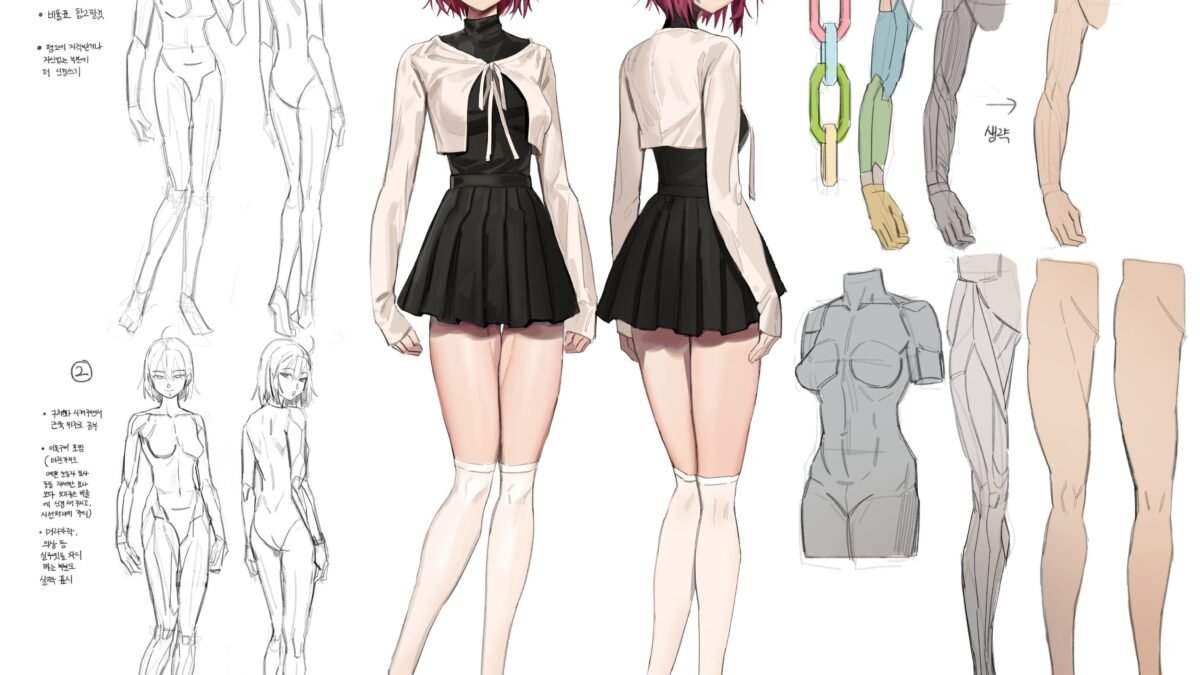
Figuring out how to get consistent characters across AI images is the holy grail for AI storytellers, comic creators, brand mascot designers, and anyone building a visual series. Generate one great character — then try to generate them again in a new scene, and you get a stranger who vaguely resembles them. This inconsistency is one of AI image generation’s most frustrating limitations, but it’s increasingly solvable. Here’s what actually works in 2026.
Why Consistency Is Hard
Every AI image generation starts fresh: the model has no memory of your previous generations. It doesn’t “know” your character — it generates a new face matching your description each time. Descriptions are lossy: “young woman with red hair and green eyes” produces thousands of possible faces. Without additional mechanisms, consistency is literally impossible — you’re rolling dice with loaded descriptions and hoping for the same outcome.
The solutions all work by giving the model more than a text description: reference images, trained custom models, or identity-preserving techniques that anchor generation to a specific face.
How to Get Consistent Characters Across AI Images: The Methods
Method 1: Character reference features (easiest)
Modern generators increasingly offer built-in character reference: upload an image of your character, and the AI maintains their appearance across new generations. Midjourney’s character reference parameter (--cref) is the best-known implementation — provide a reference image URL, and generations preserve the face and general appearance while changing pose, scene, and style. Strength is adjustable: higher values lock appearance more rigidly; lower values allow more variation.
Tips for best results: use a clear, front-facing reference image; keep the reference consistent (don’t switch references mid-project); and expect to iterate — first attempts with a new reference often need prompt tuning.
Method 2: Train a LoRA on your character (most reliable)
For Stable Diffusion users, training a LoRA (Low-Rank Adaptation) on 15–30 images of your character creates a small custom model that generates that specific character on demand. This is the professional standard for character consistency — used for virtual influencers, brand mascots, comic protagonists, and game assets. Our explainer on what LoRAs are covers the concept; the character-specific workflow is:
- Gather training images: 15–30 clear images of the character (AI-generated is fine — generate your best version from multiple angles first, or curate the best outputs).
- Caption consistently: tag images with a unique trigger word (e.g., “zara_character”) plus descriptive captions.
- Train the LoRA: using Kohya or similar tools; on a decent GPU this takes 30 minutes to a few hours.
- Generate with the trigger word: include your trigger word in prompts, and the character appears consistently across scenes, outfits, and styles.
The upfront effort pays off across hundreds of generations. For serious projects (a 50-page comic, a brand mascot, a video series), this is the method.
Method 3: Face-swap and identity tools
Generate your scene normally, then swap in your character’s face using face-swap tools. This preserves everything about the scene while locking the identity. Quality varies by tool, but for consistent faces across diverse scenes, it’s remarkably effective — and simpler than training models. Best for: video thumbnails, marketing series, any use where the face is the consistency anchor.
Method 4: Detailed character sheets and locked prompts
The low-tech approach: create an exhaustive character description document — not just “red hair” but “copper-red wavy hair to shoulders, light freckles across nose, green almond eyes, small scar on left eyebrow, warm undertone skin” — and paste the full description into every prompt verbatim. Combined with seed consistency (reusing seeds for similar compositions), this achieves reasonable consistency for undemanding use cases. It won’t fool close inspection, but for thumbnails and casual series, it suffices.
Method 5: Image-to-image with denoise control
Start each new generation from your canonical character image using image-to-image with low denoise strength: the AI preserves the input’s identity while changing the scene per your prompt. Lower denoise = more faithful to the reference; higher = more creative freedom. This gives fine-grained control over the consistency-creativity tradeoff per image.
Maintaining Consistency Beyond the Face
Character consistency isn’t just faces. For believable series, lock down:
- Art style: same style prompts, same model, same parameters across the series. Style drift breaks immersion faster than face drift.
- Color palette: define 3–5 signature colors for the character’s wardrobe and reuse them.
- Distinctive features: a signature accessory, hairstyle, or marking does more for recognizability than facial precision. Audiences recognize characters by silhouettes and signatures.
- Proportions and age: specify consistently — models drift toward generic attractiveness without explicit guidance.
Common Pitfalls
- Switching models mid-project. Different models render the same description differently. Pick one model for the whole series.
- Vague references. A blurry or stylized reference image produces inconsistent results. Invest in one excellent canonical image.
- Over-constraining. Maximum consistency settings can produce stiff, repetitive images. Leave room for natural variation in pose and expression — real consistency includes being alive.
- Ignoring the uncanny drift. Review series as a group periodically. Gradual drift is invisible image-to-image but obvious across ten.
See also: installing Stable Diffusion locally.
For more background, see Hugging Face’s model hub.
The Takeaway
Consistent AI characters are achievable: use built-in character references for quick projects, train a LoRA for serious ones, face-swap for face-anchored consistency, and lock style parameters across everything. The technology went from “impossible” to “workflow” in about two years — and for storytellers, that’s transformed what’s possible for independent visual narratives. Pick the method matching your project’s ambition, invest in one great canonical reference, and build from there.




1 Comment