
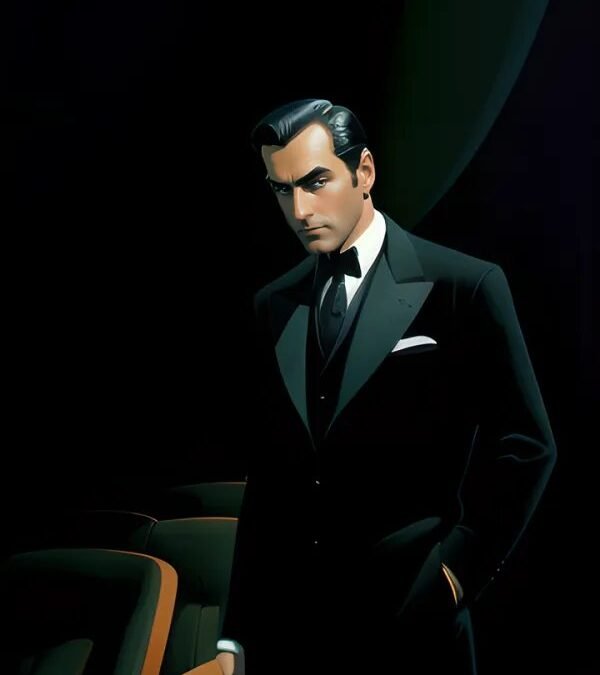
This is the question that separates AI video toys from AI video production: can AI generate consistent characters across video scenes? A year ago the answer was “barely.” In 2026, the answer is “yes, with the right technique” — and it has opened the door to everything from AI ad campaigns to full short films.
Can AI Generate Consistent Characters Across Video Scenes
Early text-to-video models generated each clip independently. Ask for “a woman in a red jacket” twice and you’d get two different women — different faces, different jackets, sometimes different species of jacket. Diffusion models are probabilistic; without a persistent identity reference, every generation rolls the dice again.
How consistency works now
Modern tools solve this with character reference systems:
- Reference images: Upload 1–3 images of your character (face, outfit, style). The model conditions every generation on that reference. Midjourney’s character reference, Runway’s references, and similar features keep faces and outfits stable.
- Seed + prompt locking: Reusing seeds with tightly controlled prompts reduces drift, though it’s the weakest method alone.
- LoRA-style fine-tuning: Train a small adapter on your character (10–20 images). This is the most reliable method — the model literally learns your character as a concept.
- Video-to-video with identity preservation: Generate or film a base performance, then restyle it while locking identity — useful when you need consistent acting across scenes.
The practical workflow for a consistent character
- Design the character once. Generate a character sheet: front view, side view, outfit details, in your chosen style. Lock this as your canonical reference.
- Use the same reference every time. Don’t regenerate the reference per scene — reuse the exact same image files.
- Describe clothing in every prompt. Even with references, repeat key descriptors (“navy peacoat, brass buttons”) — belt and suspenders.
- Generate wide, crop later. Full-body generations drift less than close-ups; you can punch in during editing.
- Fix in post. Face-swap tools and targeted inpainting rescue the 10% of shots that drift. Budget time for this — nobody gets 100% consistency straight from generation.
Where it still breaks
Honest limitations: hands doing complex actions, characters interacting physically (hugs, handshakes), extreme angle changes, and long continuous shots. The current sweet spot is scenes of 3–8 seconds cut together — which, conveniently, is how most ads and social content is edited anyway.
Best tools for character consistency right now
Midjourney (character + style reference) for stills you animate later; Runway and Google Veo for direct video with reference conditioning; OpenAI’s Sora for strong prompt adherence. For maximum control, open-source pipelines (Stable Video Diffusion + IP-Adapter + LoRA) beat closed tools but need technical chops.
Advanced consistency techniques for longer projects
Short clips are solved; the frontier is sustained consistency across minutes of footage. For longer projects, the pros use a layered approach: generate a master reference pack (20+ images of your character: expressions, angles, outfits, lighting conditions) and rotate references per scene type — close-ups get the face-detail references, wide shots get the full-body ones. Some pipelines now support video references: feed a short clip of your character and the model preserves identity through motion, which beats still references for action sequences.
Scene-to-scene handoff prompting is the technique nobody talks about: end each scene’s prompt describing the character’s exact state (position, expression, lighting) and start the next scene’s prompt from that description. It reads like continuity notes for an actor, and it works because it gives the model explicit bridging information instead of hoping it infers correctly.
Quality control checklist
Before locking any scene, check: face match against the reference (side by side, not from memory), outfit details (buttons, patterns, colors), hair consistency (style and length drift constantly), and lighting direction (a character lit from the left in scene 1 shouldn’t be lit from the right in scene 2 without story reason). The Veo documentation from Google DeepMind has useful guidance on reference-based generation as these features mature. Budget 15–20% of project time for consistency QC — it’s the difference between “AI video” and “a film that happens to use AI.”
Practice project: the 30-second character short
Theory is nice — here’s a weekend project that teaches consistency by doing. Concept: a 30-second short featuring one character in three different scenes (e.g., morning routine: bedroom, kitchen, front door). Step 1: design your character and generate the canonical reference sheet (front, three-quarter, two expressions). Step 2: write three 8-second scene prompts, each repeating the full character description verbatim. Step 3: generate 3 takes per scene, keep the best. Step 4: edit together, add sound, and do the consistency audit from the main article.
You’ll discover exactly where your toolchain breaks consistency — for most people it’s hair in profile shots or outfit details in wide shots. Knowing your specific failure points is more valuable than any general guide, because you can then design prompts and QC around them. Do this project once and every future character project gets 3x easier.
Practical takeaway
- Yes — character references + locked prompts + LoRA fine-tuning make consistency achievable.
- Build one canonical character sheet and reuse it everywhere.
- Plan for 3–8 second shots; fix drift in post rather than chasing perfect generations.
- Hands, physical interaction, and extreme angles remain the weak spots.
Keep exploring
If you found this useful, these related guides go deeper:



