
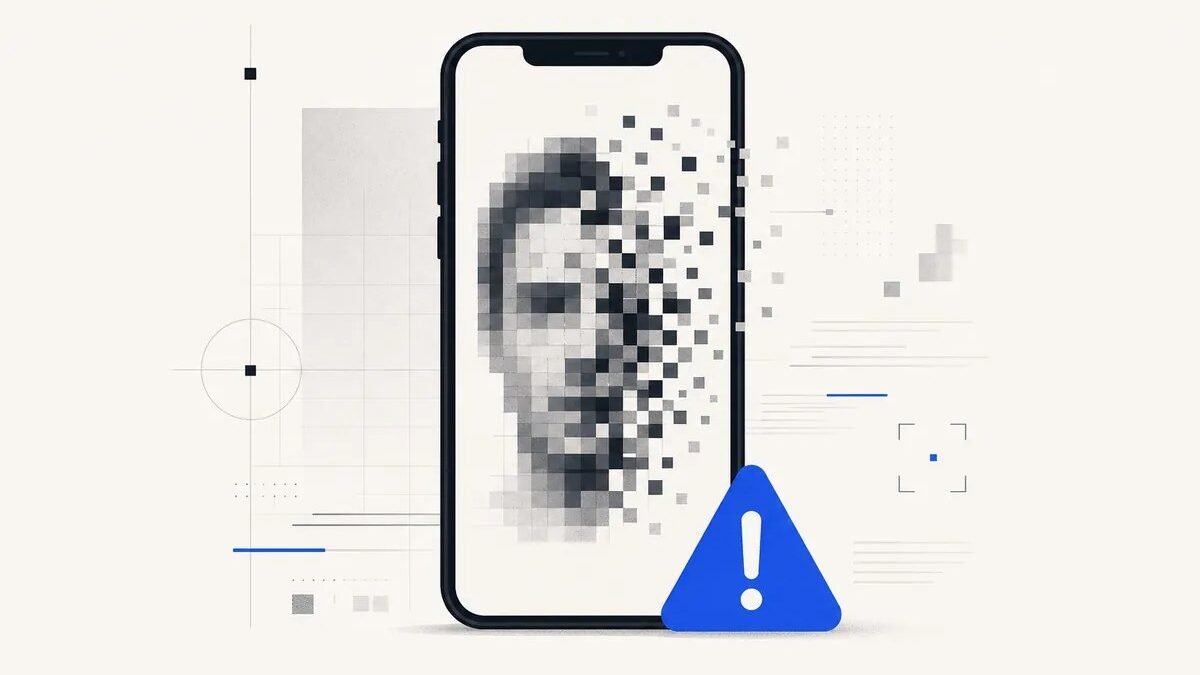
Let’s talk honestly about how to make fake images — because this search has both legitimate and harmful motivations, and the distinction matters enormously. “Fake images” might mean: props for a film, concept art, placeholder mockups, artistic surrealism, or training data for detection systems. It might also mean deception — fake evidence, misinformation, fraud, non-consensual imagery. I’ll cover the legitimate techniques fully and draw clear lines where legitimacy ends. The techniques are the same; the intent is everything.
Legitimate Reasons to Create “Fake” Images
- Film, TV, and theater: props, set extensions, matte paintings, pre-visualization — the entire VFX industry makes “fake” images professionally.
- Design mockups and placeholders: showing clients what a website, ad, or product will look like before photography exists.
- Artistic expression: surrealism, conceptual art, and creative photography have always constructed unreal images. AI just made it faster.
- Training and education: synthetic images for training AI detectors, teaching media literacy (“spot the fake” exercises), and security research.
- Privacy protection: synthetic stand-ins for real people in sensitive contexts (witness protection illustrations, anonymized case studies).
- Prototyping: visualizing products, architecture, and designs before they exist — our room visualization guide (AI room redesign) is built on this.
How to Make Fake Images: The Legitimate Techniques
AI generation (fastest)
Text-to-image tools create convincing synthetic imagery from descriptions — our realism guides (making AI images realistic and not looking fake) detail the techniques. For legitimate creative work, this is the starting point: fast, flexible, and increasingly photorealistic.
Compositing (most controllable)
Combine real and generated elements in Photoshop or GIMP: real backgrounds with synthetic subjects, AI skies over real landscapes, generated props in photographed scenes. Compositing gives precise control — every element placed intentionally, lighting matched manually. The professional standard for advertising and film work.
3D rendering (most precise)
Blender and similar tools create “fake” images with complete control over every photon — product renders, architectural visualization, and VFX. More effort than AI generation, but pixel-exact and endlessly revisable.
Traditional photo manipulation
Classic retouching techniques — the darkroom tricks are now digital. Still relevant for subtle alterations where AI would be overkill.
Where Legitimacy Ends: Clear Lines
These uses aren’t “fake images” — they’re harmful acts that happen to use images:
- Deceiving people about reality: fake news photos, fabricated events, doctored evidence. This isn’t creativity; it’s lying with extra steps.
- Non-consensual intimate imagery: creating sexual images of real people without consent — illegal in growing numbers of jurisdictions, harmful everywhere, full stop.
- Fraud: fake product photos, doctored documents, false insurance claims, catfishing. Fraud with AI tools is still fraud.
- Impersonation: fake images of real people endorsing products, saying things, being places — defamation and fraud territory.
- Evading detection for deception: making deceptive images harder to detect (our article on undetectable AI images discusses the ethics) compounds the wrongdoing.
Ethical Guardrails for Legitimate Work
- Disclose when context demands it. Artistic and entertainment contexts have different norms than journalism or marketplaces — but when in doubt, disclose. Our disclosure guide (disclosing AI content) covers the principles.
- Label training and educational fakes clearly. “Spot the fake” exercises only work when participants know fakes are present.
- Watermark synthetic media where appropriate — our watermarking guide (watermarking) covers provenance practices.
- Consider downstream misuse. Even legitimately created realistic images can be misused by others. Watermarking and provenance help; perfect prevention is impossible, but reasonable care is obligatory.
- Know the law. Synthetic media regulation is evolving rapidly — the EU AI Act, US state laws, and platform policies create real obligations. Ignorance isn’t a defense.
For Those Learning Detection
Understanding creation techniques is the best education in detection: studying how fake images are made teaches you what to look for. Our realism and artifact guides double as detection training — the tells you learn to fix as a creator are the tells you learn to spot as a viewer. Media literacy in 2026 means understanding the tools, and there’s no shame in learning them for defensive purposes.
Teaching Others About Synthetic Media
If you work with these techniques legitimately, consider paying it forward: media literacy is one of the most valuable public goods right now, and practitioners are the best teachers. Show friends and family how easy convincing fakes are to make — the demonstration is worth a thousand warnings. Support provenance standards like C2PA in your workflows. And when you encounter suspected deceptive imagery in the wild, report it rather than just scrolling past. The people making fakes for harm count on public passivity; an informed, engaged public is the best defense.
For more background, see the C2PA content provenance standard.
The Takeaway
Making “fake” images is a neutral capability with a vast legitimate domain — film, art, design, prototyping, education — and a clear illegitimate one centered on deception and harm. Learn the techniques freely for honest work; apply the ethical guardrails (disclosure, watermarking, legal awareness) as a matter of course; and recognize that the line isn’t technical but intentional. The same Photoshop that creates movie magic creates fraud — the tool never decided, and it never will. You do.



