Sideloading — installing Android apps from APK files instead of the Play Store — is a core Android freedom and a core Android risk. Searching “how to sideload AI apps Android APK” brought you to the right place: this guide covers when it makes sense, the exact steps, and the verification habits that keep malware off your phone.
What Sideloading Is (and Isn’t)
An APK (Android Package Kit) is just the app’s installation file — the same file the Play Store downloads automatically, except you’re handling it manually. Sideloading isn’t hacking, rooting, or voiding warranties. It’s a supported Android feature. The risk isn’t the mechanism; it’s the source. An APK from the developer’s official site is as safe as the Play Store version. For the safety-first companion to this guide, see how to install AI apps safely (APK vs Play Store).
When Sideloading AI Apps Makes Sense
- The app isn’t on the Play Store in your region. AI apps roll out country by country; sideloading the official APK bridges the gap.
- You want a beta or specific version. Developers often post test builds on their site or GitHub before Play Store release.
- Open-source AI apps. Many excellent FOSS AI tools (local LLM clients, privacy-focused assistants) distribute through F-Droid or GitHub instead of the Play Store.
- Older devices. If the Play Store says “not compatible,” an older APK version may still run fine.
When it doesn’t make sense: the app is on the Play Store already (just use it), or the APK promises “premium unlocked” (that’s malware with marketing). Our best AI apps for Android are all Play Store-available — check there first.
How to Sideload AI Apps Android APK: Enable Unknown Sources
Modern Android handles this per-app (not one global switch), which is safer:
- Download an APK file using your browser (Chrome, Firefox).
- Tap the downloaded file. Android will block it and show a prompt: “For your security, your phone isn’t allowed to install unknown apps from this source.”
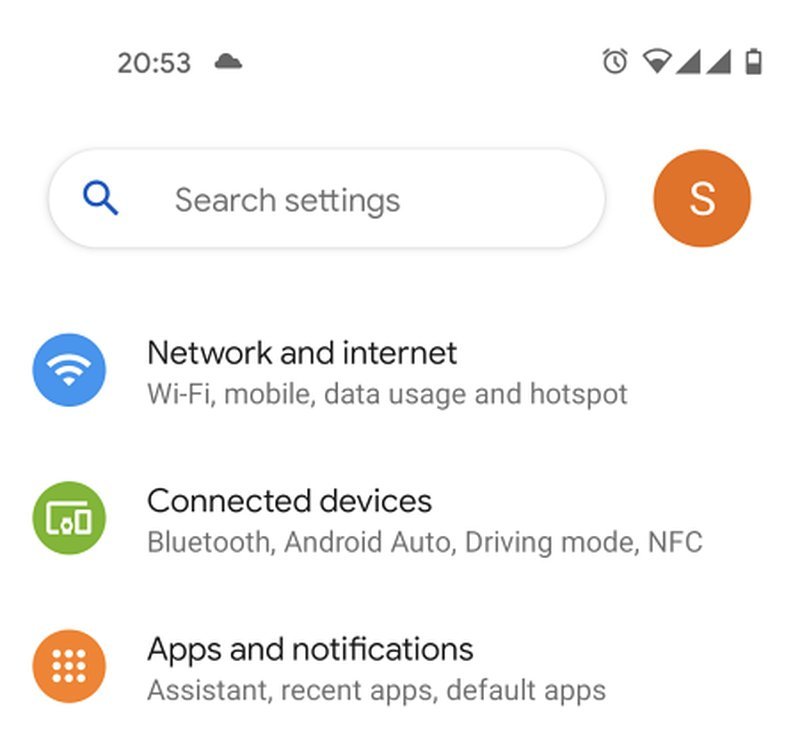
- Tap Settings in that prompt. You’ll land on Install unknown apps for that specific app (e.g., Chrome).
- Toggle Allow from this source ON.
- Go back and tap the APK again to install.
Important hygiene: after installing, go back and toggle the permission OFF again. Leaving it on means any future download from that browser can install silently-ish. Five seconds of toggling buys real security.
Step 2: Verify the APK Before Installing
Never skip this. Every APK, every time:
- Check the source. Official developer site, GitHub Releases page, F-Droid, or a long-established APK repository with signature verification. Not a random blog, not Telegram.
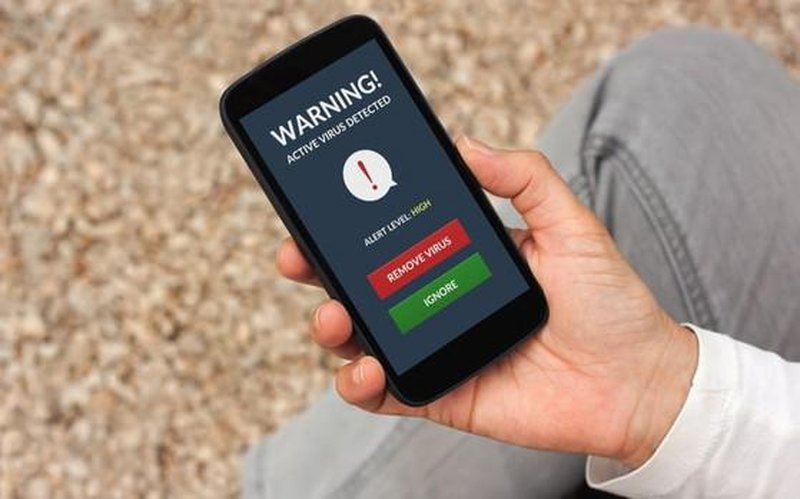
- Scan with VirusTotal. Upload the APK file to VirusTotal (free) — 70+ antivirus engines check it in a minute. Zero or one obscure detection is usually a false positive; multiple detections means delete.
- Compare the version. The APK version should match what the developer published. A “v5.2” APK when the developer’s latest is v4.9 is a repackaged fake.
- Check the file size. Roughly matches the Play Store version’s size? A 200MB “ChatGPT APK” when the real app is 80MB is hiding something.
- Review permissions at install. Android lists them before you confirm. AI chatbot asking for SMS and call logs? Cancel.
Step 3: Install and Lock Down
- Tap install, wait, tap Done (not Open — configure first).
- Go to Settings → Apps → [the app] → Permissions. Grant only what’s needed: a chatbot needs network and maybe storage; it does not need location, contacts, or microphone unless its features require them.
- Disable Install unknown apps for your browser (the hygiene step from earlier).
- Run a Play Protect scan (Play Store → Profile → Play Protect → Scan) to double-check the new arrival.
Step 4: Handle Updates Manually
This is sideloading’s real cost: no automatic updates. You are now the update mechanism:
- Bookmark the developer’s release page or subscribe to release notifications on GitHub.
- Check monthly. Security patches matter more than features — an unpatched AI app with network access is a liability.
- To update: download the new APK, verify it (same checklist), install over the existing app. Your data and settings carry over.
- If the app later appears on the Play Store, consider switching — automatic updates are worth the reinstall.

Sideloading on Different Android Versions
- Android 8–13: per-app “Install unknown apps” toggle as described above.
- Android 14+: same flow, plus enhanced confirmation for apps targeting very old SDK versions — Android now warns you explicitly, which catches many repackaged fakes.
- Samsung (One UI): same Android flow; Samsung’s Auto Blocker (Settings → Security) may need disabling for sideloading — turn it back on after.
- Xiaomi/MIUI, Oppo/ColorOS: look for “Install via USB” or similar extra toggles in developer-adjacent security settings. The flow is the same once found.
Switching From Sideloaded to Play Store (When Available)
Many apps start as sideload-only and later arrive on the Play Store. Switching gets you automatic updates and Play Protect monitoring — worth doing:
- Back up your data. Check if the app has built-in backup/export, or use Android’s app data backup. Chat histories and settings are what you’ll miss.
- Uninstall the sideloaded version. You can’t install the Play Store version over a differently-signed APK — Android will block it. The signatures must match, and they won’t.
- Install from the Play Store fresh and restore your backup.
- Verify the developer name matches — this is exactly when clone apps try to intercept you. Check download counts.
The 10 minutes of migration buys you permanent automatic updates. Do it the week the Play Store version appears, not six months later when you’ve forgotten.
Common Problems and Fixes
- “App not installed”: usually a signature conflict — a Play Store version (or different APK) of the same app is already installed with a different signature. Uninstall the existing one first (back up data).
- “Parse error”: corrupted download or an APK for a wrong architecture. Re-download; check arm64 vs the file you grabbed.
- Install button grayed out: a screen overlay app (blue-light filter, chat heads) is interfering. Temporarily disable overlays.
- Play Protect blocks it: if VirusTotal was clean and the source is official, you can proceed — but treat a Play Protect warning as a serious second opinion, not an annoyance.
- App crashes on launch: often a wrong-architecture APK (arm64 vs x86) or a version needing a newer Android than you have. Re-download matching your device, or grab an older release from the developer’s archive.
- “Unknown apps” toggle missing: on some corporate-managed or kids-mode devices, sideloading is disabled by policy. You’ll need the device administrator (employer, parent) to allow it — there’s no legitimate bypass.
Frequently Asked Questions
Is sideloading APKs legal?
Yes — it’s a supported Android feature. What’s illegal is pirated/cracked apps, which are also the most malware-ridden. Sideload legitimate apps from legitimate sources and you’re fine.
Will sideloading void my warranty or break my phone?
No. It’s a normal user-level feature. The risk is purely about what you install, not the act of sideloading itself.
How do I know if an APK is safe?
Official source + VirusTotal scan + sane permissions + matching version and signature. Our full risk breakdown is at are third-party AI APKs safe — read it before your first sideload.
Can I sideload on Samsung phones?
Yes — same process, though Samsung’s Auto Blocker may need a temporary toggle. Turn it back on when done.
Do sideloaded apps update automatically?
No — that’s the main trade-off. Track releases yourself and reinstall monthly, or switch to the Play Store version when available. Set a monthly calendar reminder; “I’ll remember” is how apps go unpatched for a year.
The Bottom Line
Sideloading AI apps on Android is straightforward: enable per-app install permission, verify every APK like your data depends on it (it does), install, lock permissions down, and handle updates yourself. Done right, it’s a safe power-user skill that frees you from regional restrictions and lets you run the exact version you want. Done carelessly — random sites, skipped scans, ignored permissions — it’s how phones get compromised. The five minutes of verification is the whole difference. Bookmark this guide for the next sketchy download link.