
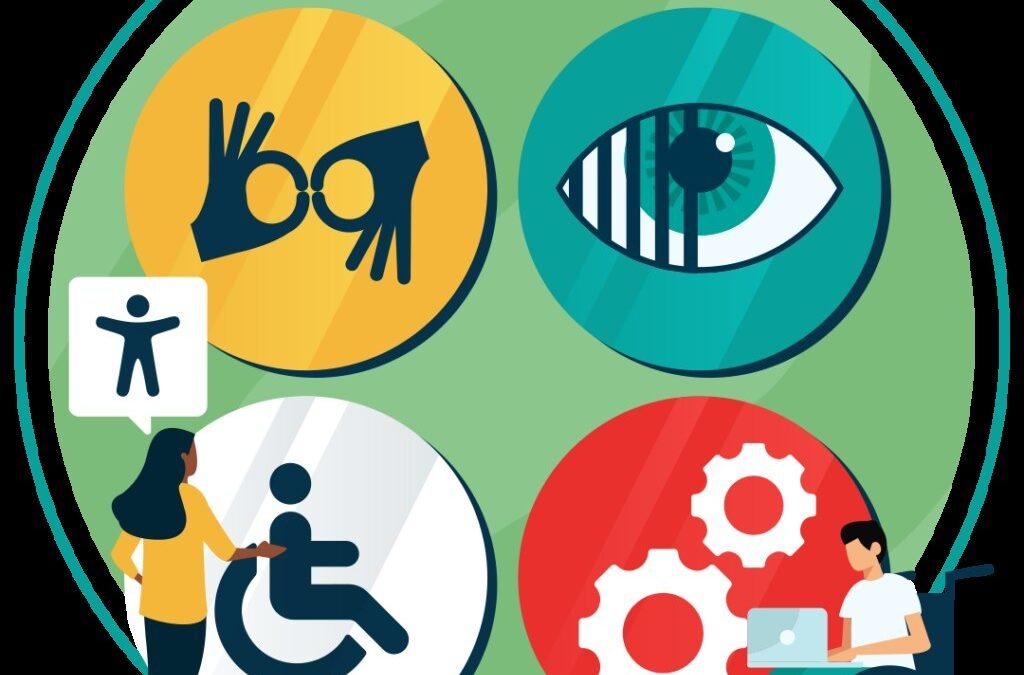
Alt text is one of those things everyone agrees is important and almost nobody writes well. Learning how to use ChatGPT to describe images for accessibility won’t replace thoughtful human-written descriptions, but it’s a massive upgrade over empty alt attributes and auto-generated “image123.jpg” labels. I’ve used it to draft descriptions for blog images, presentation slides, and social posts — then edited them into shape in a fraction of the time.
How to Use ChatGPT to Describe Images for Accessibility
The process is simple: upload the image and ask for a description written for a specific purpose. The key phrase is purpose — a description for alt text is different from one for a detailed accessibility report. Try:
“Write alt text for this image for a blog post. Keep it under 125 characters, describe what’s visually important, and skip phrases like ‘image of’.”
That prompt bakes in three best practices: concise length (screen readers handle ~125 characters gracefully), focus on meaningful content, and no redundant “picture of” openings. For complex images like infographics, ask instead for a long description: “Describe this chart in detail for a blind reader, including all data points and trends.”
What Makes a Good AI-Assisted Description
ChatGPT’s first draft is a starting point, not a finished product. Good descriptions — human or AI-assisted — share these traits:
- Context-aware: the same photo needs different alt text on a cooking blog vs. a camera review
- Prioritized: lead with the most important visual information, not background details
- Functional: for buttons and icons, describe the action (“search button”), not the appearance
- Honest about text in images: if the image contains text, the description must include it
My workflow: generate the draft, read it with fresh eyes, and ask “would a listener understand why this image is here?” If not, I revise the prompt — “Focus on the person’s expression and the protest sign text, skip the background crowd” — and regenerate. Two rounds usually nails it.
Describing Charts, Graphs, and Infographics
Data visuals are the hardest case and the most valuable one to get right. Ask ChatGPT to extract the title, axes, key values, and the overall trend or takeaway. Then verify every number against the image yourself — this is the one place where AI description errors cause real harm, because a wrong number in a chart description misinforms. For anything published professionally, a human should always review data descriptions.
Where Human Judgment Is Non-Negotiable
Let me be direct: AI descriptions have real limits, and some contexts demand a human writer:
- Emotional and artistic content: ChatGPT describes what’s literally visible; it can’t reliably convey mood, symbolism, or cultural meaning
- Identity and appearance: be careful with descriptions of people’s race, gender, age, or disability — when in doubt, describe what’s relevant and skip the rest
- Humor and memes: it often misses the joke, and a flat literal description can be worse than none
- Decorative images: these should have empty alt text (alt=””) so screen readers skip them — don’t generate descriptions for decoration
There’s also a broader question of which tools handle accessibility best across the board. If you’re evaluating options beyond ChatGPT, it’s worth checking what ChatGPT Go offers and who it’s for — affordable tiers have made these features available to far more creators than before.
A Practical Workflow for Content Creators
If you publish regularly, build this into your process:
- Batch your images before publishing day — describe five at once in one chat
- Use a consistent prompt template so descriptions match in tone and length
- Keep a style note (“we name products but not models’ appearances”) and paste it into the chat
- Spot-check, don’t rubber-stamp — read each description once before publishing
- Learn the difference between quick alt text and full descriptions; knowing when to go deep vs. stay quick applies to accessibility work too
Alt Text Examples: Before and After
Seeing the difference makes the technique click:
- Before (auto-generated): “Image may contain: 2 people, smiling, outdoors”
After (ChatGPT-assisted): “Two hikers smiling at a mountain summit viewpoint at sunrise, backpacks on, valley fog below.” - Before: “chart.png”
After: “Bar chart: quarterly revenue 2024–2025, showing steady growth from $2M to $3.4M with a Q3 spike.” - Before: “screenshot”
After: “App settings screen with the ‘Enable notifications’ toggle switched on, highlighted in blue.”
The pattern: context + what’s visually important + any text in the image. Generate the draft with ChatGPT, then read it once asking “would a listener get why this image matters here?”
Frequently Asked Questions
How long should alt text be?
Around 125 characters is the sweet spot for screen readers — enough for meaning, short enough to scan. Complex images get a short alt plus a linked long description.
Should every image have a description?
No — decorative images should have empty alt text (alt=””) so screen readers skip them. Describe only images that carry meaning.
Can AI write alt text for charts accurately?
It can draft them well, but verify every number manually. A wrong figure in a chart description misinforms people who can’t check the visual — human review is non-negotiable here.
Is AI-generated alt text WCAG compliant?
WCAG requires effective text alternatives — AI drafts can meet this if reviewed and corrected by a human. Unreviewed AI output is a gamble, not compliance.
The Takeaway
Using ChatGPT to describe images for accessibility is about leverage: it does the tedious first draft, you bring the judgment. Write purpose-specific prompts, always review the output, and reserve human-only effort for art, humor, and high-stakes data. Done right, it’s the difference between a site that’s technically accessible and one that’s genuinely welcoming. Start experimenting at OpenAI’s ChatGPT — and if you want deeper research on accessibility standards themselves, ChatGPT’s deep research mode can pull together WCAG guidance with sources.



