
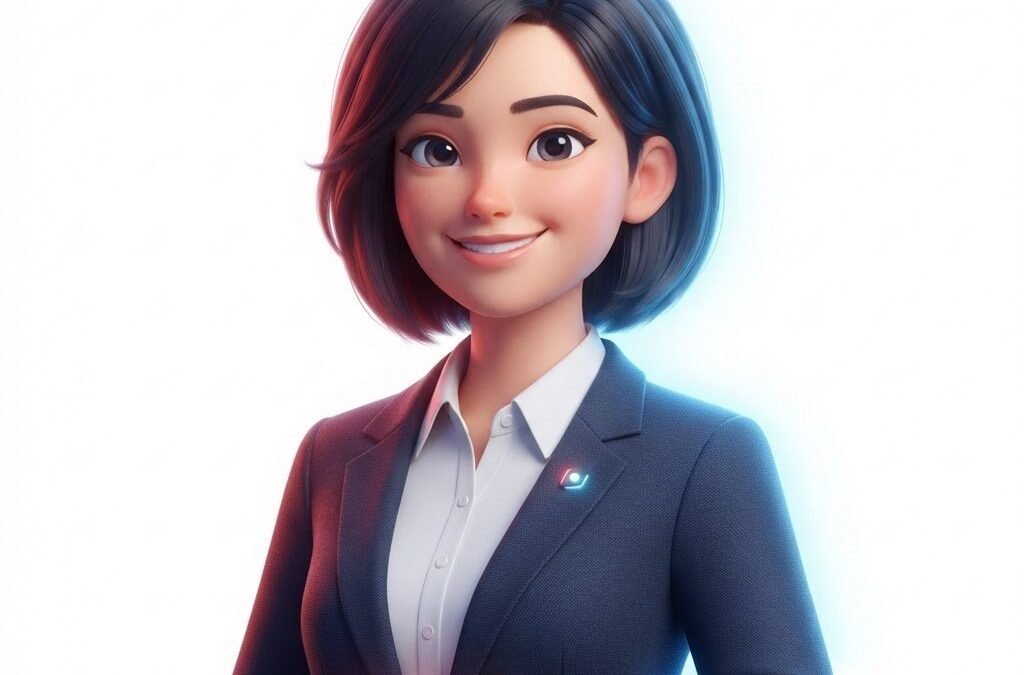
AI avatars are everywhere — but most look like a different person in every video, which quietly destroys brand trust. Figuring out how to create consistent AI avatars for branding is what separates professional AI video operations from forgettable experiments.
How to Create Consistent AI Avatars for Branding
Viewers forgive slightly artificial avatars. They don’t forgive inconsistent ones — a spokesperson whose face, age, and style shift between videos reads as deceptive, even when nothing deceptive is intended. Brand recognition requires repetition of the same identity. One avatar, everywhere, always.
Designing your brand avatar
- Define the persona first. Age range, vibe (friendly expert? energetic host?), attire, setting. Write it down like a casting brief — this becomes your prompt foundation.
- Generate a character sheet. Front view, three-quarter view, and 2–3 expressions, all from the same generation session with locked seed/reference. Save these as your canonical references.
- Lock the visual identity. Same outfit or outfit palette, same background style, same framing across all videos. Boring is good — boring is recognizable.
- Match a consistent voice. Clone or select one AI voice and use it for every video. Voice is half of identity; changing voices breaks the illusion faster than visual drift.
- Document everything. Save your prompts, seeds, reference images, voice settings, and color grades in a brand kit doc. Future-you (or your team) needs to reproduce this exactly.
Tools and techniques for consistency
HeyGen and Synthesia offer persistent custom avatars — create once, reuse forever, which sidesteps the consistency problem entirely for talking-head formats. For more creative control, character reference systems in Midjourney/Runway plus locked prompts keep custom characters stable. The enterprise-grade option: film a real human once and build a digital twin — maximum consistency, and you sidestep “AI face” unease.
Where to use your avatar (and where not to)
Great fits: product explainers, onboarding videos, localized content (same avatar, many languages), social clips, internal training. Think twice: apology videos, sensitive announcements, anything requiring genuine emotional credibility — audiences want a real human when it matters. And always disclose AI avatars where platforms require it; undisclosed synthetic spokespeople are a trust time bomb.
Maintaining consistency at scale
As volume grows, drift creeps in — different team members, new tools, updated models. Counter it with: a single source of truth (the brand kit), periodic audits (compare new videos against the canonical reference), and resisting model upgrades mid-campaign (newer isn’t better if it changes your avatar’s face).
Avatar governance for teams
When multiple people create content with your brand avatar, consistency needs governance, not just good intentions. Centralize avatar assets — reference images, voice settings, prompts, and brand guidelines in one shared location that everyone uses. Define who can generate what — not everyone needs avatar creation rights; most team members should work from approved templates. Review before publish — a quick consistency check (face match, voice match, brand compliance) catches drift before it ships.
Version control your avatar. When you update the avatar (new outfit for a campaign, improved model), version it explicitly (Avatar v2.1) and document what changed. Running v1 and v2 simultaneously across channels looks sloppy — migrate deliberately with a cutoff date. Treat your avatar like a brand asset with the same rigor as your logo.
Legal considerations for brand avatars
If your avatar is based on a real person (founder, spokesperson), you need clear likeness rights — written agreements covering AI use, duration, and compensation. For fully synthetic avatars, document the creation process as evidence of originality. And everywhere: follow platform disclosure rules — the TikTok AI content guidelines and equivalents elsewhere are mandatory reading. Undisclosed synthetic brand representatives are a scandal waiting for a slow news day.
Avatar launch checklist
Before your brand avatar goes public, verify: identity locked — reference sheet finalized, prompts/seeds documented, voice selected and tested? Consistency tested — 5+ test generations all recognizably the same person? Legal cleared — likeness rights (if based on a real person), platform disclosure requirements understood? Brand aligned — avatar persona matches brand values? Visual style matches other brand assets? Pipeline ready — generation workflow documented, review process defined, publishing checklist created?
Soft-launch first: publish 3–5 avatar videos to a limited audience (email list, private group) and gather reactions before the public debut. Watch for uncanny-valley discomfort, brand mismatch signals, and technical issues. Fix, then launch properly. A careful launch builds confidence; a sloppy one creates a first impression you spend months undoing.
Practical takeaway
- One avatar, one voice, one visual style — everywhere, always.
- Build a canonical character sheet and a written brand kit; reuse exact prompts/seeds.
- Persistent-avatar platforms (HeyGen/Synthesia) sidestep consistency problems for talking heads.
- Disclose AI avatars; don’t use them for sensitive/emotional communications.
- Audit regularly — drift is inevitable without active maintenance.
Keep exploring
If you found this useful, these related guides go deeper:



