
Most schools’ academic integrity policies were written for a world of copied Wikipedia paragraphs and purchased essays. AI broke the old definitions — and the schools still enforcing pre-AI policies are generating confusion, unfairness, and false accusations. How should schools update academic integrity policies for AI? Here’s a framework that’s clear, fair, and actually enforceable.
How should schools update academic integrity policies for AI: The Full Breakdown
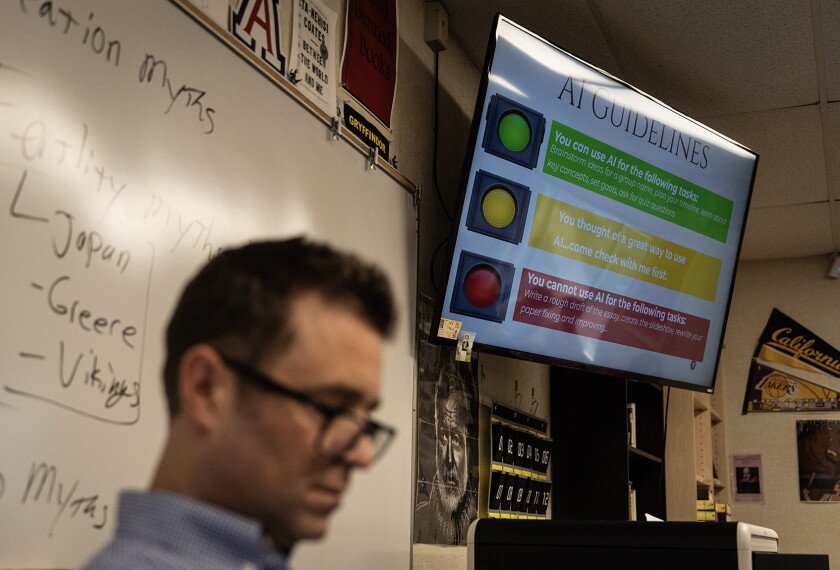
Binary “AI = cheating” policies fail because they criminalize legitimate learning. Replace them with clear tiers:
- Tier 1 — Always permitted: using AI to explain concepts, generate practice problems, check grammar, brainstorm ideas, get feedback on drafts. (Learning support)
- Tier 2 — Permitted with disclosure: using AI for outlining, research assistance, significant editing help. Student notes the AI’s role when submitting.
- Tier 3 — Instructor decides per assignment: the teacher specifies which tier applies — “for this essay, Tier 1 only” — with the default stated in the syllabus.
- Tier 4 — Never permitted: submitting AI-generated work as one’s own, using AI during closed assessments, having AI complete the core intellectual task of the assignment.
Tiers give students actionable clarity instead of anxiety. The question shifts from “is AI cheating?” (unanswerable in general) to “which tier is this assignment?” (answerable specifically). This directly addresses students’ confusion about cheating.
Principle 2: Disclosure Norms
Require brief AI-use statements on assignments where AI was used: “I used ChatGPT to brainstorm topics and check my grammar; all ideas and writing are my own.” This normalizes transparency, creates a record, and — importantly — teaches students the professional norm of crediting tools. Make the statement short and routine, not a legal affidavit. The goal is culture, not paperwork.
Principle 3: Fair Enforcement
This is where policies most often fail ethically:
- No detector-only findings. State explicitly: AI detection scores are investigative leads, never sole evidence. Require process evidence or admission.
- Right to respond. Every accused student gets to present their process evidence (drafts, version history) before any finding.
- Clear appeal process. Published, accessible, actually usable — not buried in a handbook.
- Proportional consequences. Distinguish confusion about new rules (educational response) from deliberate misconduct (disciplinary response), especially during transition years.
- Faculty accountability. Teachers must state the AI tier for each assignment upfront. Students can’t follow rules that were never communicated.
Principle 4: Review Annually
AI capabilities change yearly; policies must too. Build in annual review with student, teacher, and parent input. What’s Tier 2 today might be Tier 1 tomorrow as tools become standard. A policy that can’t evolve becomes either obsolete or unjust — usually both. And connect policy to the bigger picture: why bans fail is the strategic context every policy committee should read first.
Sample Policy Language (Steal This)
Here’s draft language schools can adapt — written in plain English, not legalese. Philosophy statement: “Our school embraces AI as a learning tool. Academic integrity in the AI era means honest authorship: submitted work must represent the student’s own understanding and effort, with AI assistance disclosed as specified below. Our goal is to teach excellent AI judgment, not to police AI absence.”
Use tiers: “Tier 1 (always allowed): AI for explaining concepts, practice problems, grammar checks, brainstorming. Tier 2 (allowed with disclosure): AI for outlining, research help, substantial editing — include a one-line AI-use statement with submissions. Tier 3 (per assignment): your teacher will specify which tier applies; when unspecified, Tier 1 is the default. Tier 4 (never): submitting AI-generated work as your own; AI use during closed assessments; having AI perform the assignment’s core intellectual task.”
Disclosure: “When you’ve used Tier 2 assistance, add: ‘AI assistance: [tool] used for [purpose]. All ideas, analysis, and writing are my own.’ This takes ten seconds and is always appreciated.” Enforcement: “Detection software may flag work for review but never constitutes sole evidence. Accused students may present process evidence (drafts, version history) and appeal any finding through [process]. Teachers must specify the applicable tier for each assignment in advance.” Review: “This policy is reviewed annually with student, faculty, and parent input.” Short, clear, fair — adapt the brackets and adopt it.
For policy committees: start with the tiers, not the punishments. Get the definitions of acceptable use clear and communicated first — most “violations” are actually confusion, and clarity eliminates most of them before enforcement is ever needed. Then build the fair process: no detector-only findings, right to respond, real appeals. A policy students see as fair gets followed; one they see as a trap gets gamed. Write it with students in the room.
The Takeaway
Update integrity policies with: clear use tiers (not binary bans), routine disclosure norms, enforcement that bans detector-only findings and guarantees due process, and annual review. Clarity is kindness — students who know exactly where the lines are can focus on learning instead of worrying.
Reference model: UNESCO’s guidance on AI ethics in education informs policy worldwide.




1 Comment