
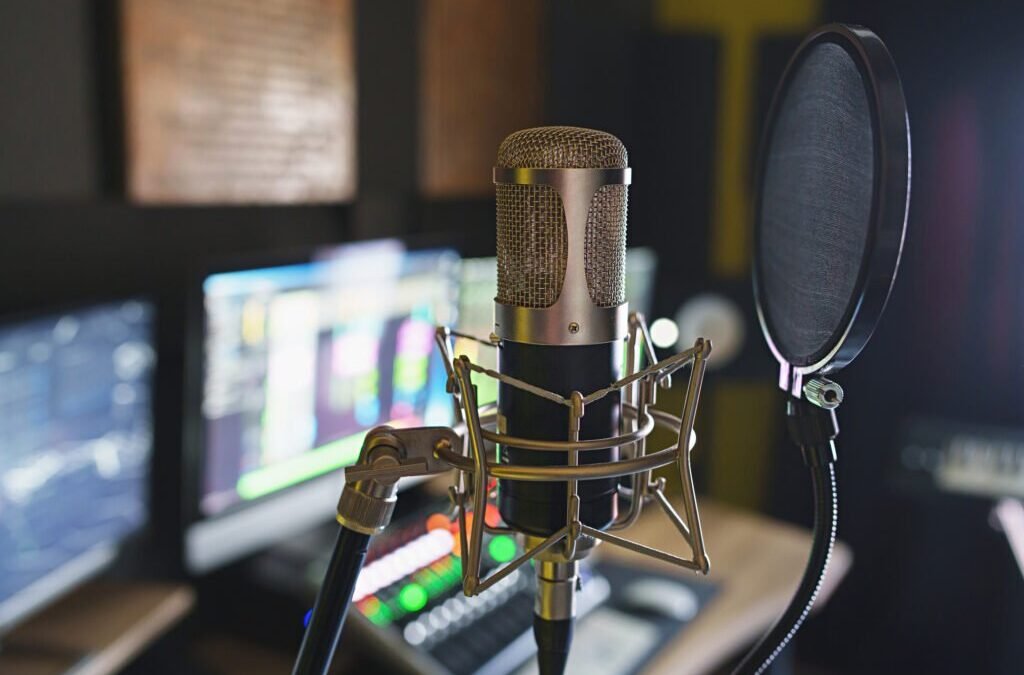
The voice is the project in narration — pick wrong and even great writing falls flat. Here’s how to choose an AI voice for narration projects without spending a week auditioning hundreds of options.
How to Choose an AI Voice for Narration Projects
Before browsing voice libraries, define what the narration needs to do: a meditation app needs warmth and slowness; a tech explainer needs clarity and energy; an audiobook thriller needs range. Write down three adjectives for your ideal delivery (“calm, authoritative, unhurried”) and an age/gender direction if relevant. This brief filters 500 voices down to 20 candidates in minutes.
What to listen for (beyond “sounds good”)
- Consistency: generate the same paragraph three times — does the voice drift in tone or pacing? Drift kills long projects.
- Long-form stamina: test a full page, not a sentence. Some voices sound great for 10 seconds and robotic at 10 minutes.
- Emotional range: can it do subtle — wry, tentative, somber — or only neutral-cheerful? Most narration needs at least three gears.
- Pronunciation: feed it your trickiest proper nouns and technical terms. Fixing these later is miserable.
- Breath and pacing: natural pauses vs. metronomic delivery. The best voices breathe where a human would.
- Your specific text: always test with your script, not the demo text. Voices that ace demos can stumble on your content.
Clone vs. stock voice
Stock voices (ElevenLabs library, PlayHT, Murf) are instant and cheap — fine for most projects. Voice cloning (your voice or a hired actor’s, with consent and compensation) gives uniqueness and brand consistency. Clone when the voice is part of your brand; use stock when the content carries the weight. Never clone a voice you don’t have explicit rights to — including celebrities “for a demo.”
Licensing checklist
- Confirm commercial use rights on your plan tier — free tiers often restrict it.
- Check whether the license covers your distribution (YouTube, audiobooks, broadcast all differ).
- For client work, confirm the license transfers or covers the client’s use.
- Keep records: voice name, provider, date, license tier.
The selection process (2 hours, not 2 weeks)
- Write your 3-adjective brief.
- Shortlist 8–10 voices from the library.
- Generate the same 200-word test passage in each — your actual content.
- Blind-listen (hide the names) and rank top 3.
- Stress-test the winner: long passage, tricky words, emotional section.
- Commit — and document the exact voice ID and settings for consistency.
Voices for specific narration niches
Different niches have different voice conventions worth knowing. Audiobooks: warmth and stamina matter most — listeners spend 10+ hours with this voice; test with a full chapter, not a paragraph. E-learning: clarity and energy — slightly faster pacing keeps learners engaged; avoid overly soothing voices that invite naps. Documentary: authority with curiosity — the “intelligent friend” register. Meditation/wellness: slow, warm, breathy — and consistency across sessions matters enormously (users notice when their meditation voice changes). Advertising: distinctive and memorable beats pleasant — the voice must cut through.
Matching voice to brand archetype is the strategic layer: an innovative tech brand wants a different voice than a heritage luxury brand, even reading identical copy. Define the brand’s personality first, then cast the voice to it. The wrong voice doesn’t just sound off — it actively undermines positioning.
Where to find and test voices
Start with the built-in libraries: ElevenLabs’ voice library (huge, community-contributed, searchable by characteristics), PlayHT’s library, and Murf’s studio voices. Pro tip: search community libraries with specific terms (“warm storyteller,” “authoritative documentary”) rather than browsing randomly — and always test finalists with your actual script before committing. The 2-hour selection process from the main article saves weeks of regret.
Voice selection sprint: decide in one afternoon
Don’t let voice selection drag on for weeks — time-box it to one afternoon. Hour 1: write your 3-adjective brief and shortlist 10 voices. Hour 2: generate your 200-word test passage in each; take notes on first impressions. Hour 3: blind-listen (randomize the order, hide names), rank your top 3, then stress-test the winner with tricky pronunciations and emotional range. Hour 4: document the choice (voice ID, settings, why you picked it) and move on.
Decision fatigue is the enemy — after 10 voices, they all blur together, and extra auditioning doesn’t improve the choice, it just delays the project. Trust the structured process: brief, test, blind-listen, commit. The voice that wins a disciplined 4-hour sprint will serve you well; the voice you agonize over for two weeks won’t be better, you’ll just be tireder.
Practical takeaway
- Brief first: 3 adjectives describing the delivery you need.
- Test with your actual script — long passages, tricky pronunciations.
- Blind-listen your shortlist; consistency matters more than first impressions.
- Confirm commercial licensing for your distribution channels.
- Document voice ID + settings so future episodes match.
Keep exploring
If you found this useful, these related guides go deeper:



