
Podcasting’s barrier was never ideas — it was production. Learning how to start a podcast with AI assistance collapses the technical wall: planning, scripting, editing, and promotion all get dramatically easier. Here’s the complete launch playbook.
How to Start a Podcast with AI Assistance
Use AI as a brainstorming partner, not a decider. Prompt with your interests, target audience, and existing shows you admire — ask for 10 concept angles, then pick the one you’d still be excited about at episode 50. Validate: search the concept, listen to 3 competitors, and define your differentiator in one sentence. AI can then help build your content calendar: 10 episode topics with angles, guests to pursue, and seasonal tie-ins.
Phase 2: Production setup (week 2)
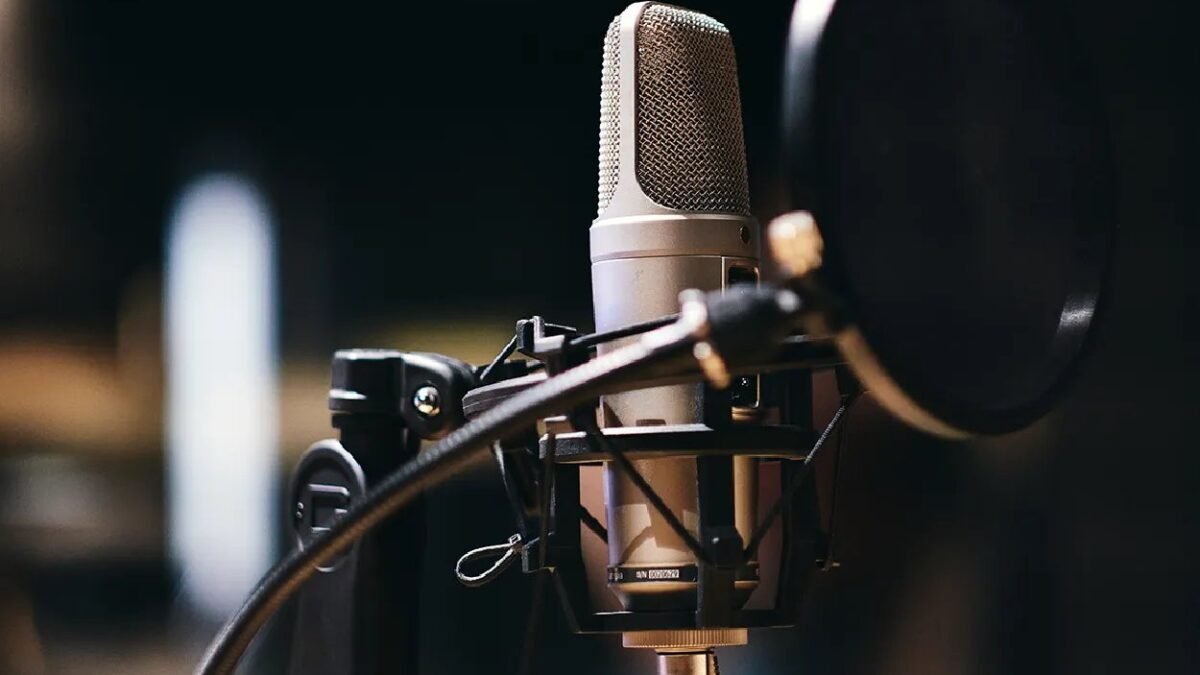
- Recording: you still need a decent mic ($50–100 USB is fine) and a quiet room. AI can’t fix terrible source audio — only improve decent audio.
- Remote guests: Riverside or SquadCast record studio-quality local tracks; AI handles the rest.
- Scripting: AI drafts outlines and talking points — but for conversational shows, bullet points beat scripts. For narrated shows, AI voice workflows can supplement your recording.
- Intros/outros: generate professional intros with AI audio tools — music, voiceover, and sonic branding in an afternoon.
Phase 3: Editing with AI (ongoing)
Descript is the podcaster’s AI workhorse: text-based editing (delete filler words by deleting text), automatic filler-word removal, studio sound enhancement, and overdub for fixing flubs without re-recording. What took 3 hours per episode manually takes 45 minutes. Add Auphonic for automated leveling and loudness normalization before publishing.
Phase 4: Publishing and growth
- Host: Buzzsprout, Transistor, or Spotify for Podcasters — all distribute to every platform automatically.
- Show notes: AI generates summaries, timestamps, and quotes from your transcript — SEO-friendly and listener-friendly.
- Clips: extract 3–5 short clips per episode for social (Opus Clip, Descript) — this is your discovery engine.
- Titles: AI generates options; you pick the clickable-but-honest one.
- Consistency: the unsexy truth — weekly for 6 months beats perfect-but-sporadic. AI makes consistency achievable; only you make it happen.
What AI can’t do for your podcast
Have genuine opinions. Build real relationships with guests. Develop taste over 50 episodes. The podcasts that break through in 2026 aren’t the best-produced — they’re the most interesting. Use AI to remove production friction so you can spend your energy on the only thing that matters: being worth listening to.
Monetizing your AI-assisted podcast
Production is cheap now — revenue is the real game. Realistic monetization paths: sponsorships (need ~1,000+ engaged listeners; niche audiences command $20–50 CPM), affiliate marketing (recommend tools you use; podcast audiences convert well on trusted recommendations), premium content (Patreon bonus episodes — AI production makes bonus content cheap to create), services and products (the podcast builds authority; your business captures value), and dynamic ad insertion (once you have back-catalog downloads, old episodes earn passively).
The math most podcasters miss: a podcast with 500 true fans in a valuable niche (say, dental practice owners) out-earns a 10,000-listener general show. Advertisers pay for who listens, not just how many. Niche down, serve deeply, monetize specifically. And repurpose everything — each episode is also newsletter content, social clips, and blog posts. One recording session, five content assets.
Realistic timelines
Honest expectations: months 1–3: finding your voice, tiny audience, mostly learning. Months 4–6: rhythm established, slow growth, first feedback. Months 7–12: compounding kicks in if you’re consistent — this is where most quitters quit, right before it works. Year 2+: real audience, real revenue if the foundation is solid. The Buzzsprout podcast statistics page has current industry benchmarks to calibrate your expectations. AI makes production easy; only consistency makes podcasts succeed.
Your podcast’s first 90 days: milestones
Concrete expectations to keep you going. Days 1–30: launch with 3 episodes; focus on production quality and finding your rhythm. Expect tiny numbers — that’s normal, not failure. Days 31–60: publish consistently (your chosen schedule, no misses); start clipping for social; engage every listener comment personally. Days 61–90: evaluate honestly — what’s working? Double down there. Reach out for 3 guest swaps or collaborations. Consider whether the format needs adjusting.
The 90-day rule: don’t judge the podcast before day 90, and don’t quit before day 180. Almost every successful podcaster describes months of near-zero listeners before traction. AI tools make the production sustainable; your job is sustaining the showing up. Ninety days of consistency separates future podcasters from people who “tried podcasting once.”
Practical takeaway
- AI compresses launch to ~2 weeks: concept → setup → editing workflow → publish.
- Descript + Auphonic handle most post-production automatically.
- Generate show notes, clips, and titles from transcripts — your discovery engine.
- Invest saved time in being interesting, not in more production polish.
- Consistency (weekly, 6 months) beats perfection.
Keep exploring
If you found this useful, these related guides go deeper:



