
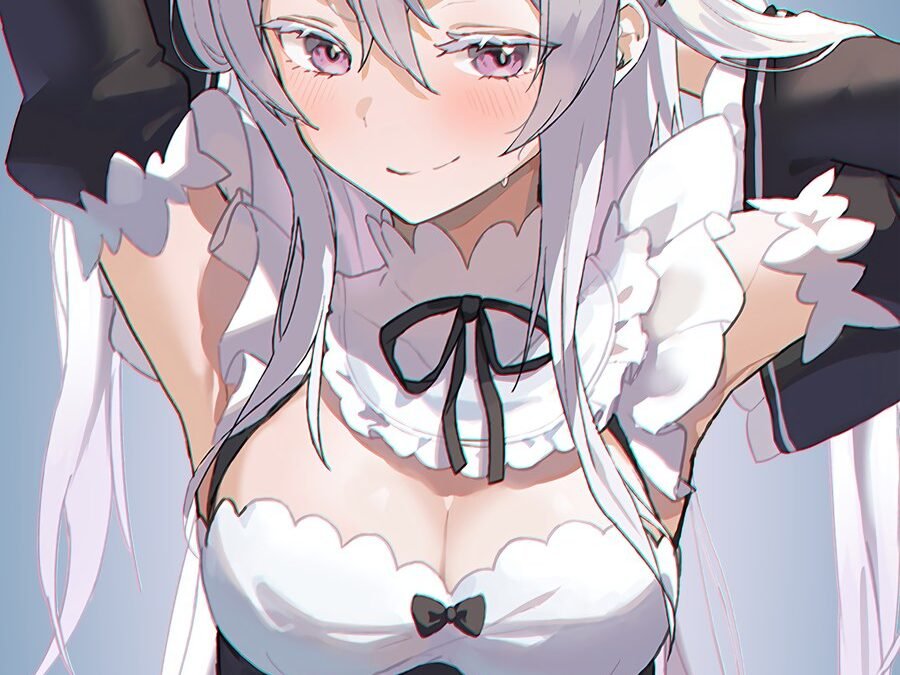
Anime-style AI art is its own universe — with its own tools, techniques, and community standards. What is the best AI image generator for anime art in 2026? Generic image generators can do anime, but the specialized tools produce dramatically better results: correct anime aesthetics, consistent character designs, proper cel-shading. I’ve tested the options on everything from chibi to seinen realism. Here’s the ranking.
What Makes Anime Generation Different
Anime isn’t just “cartoon style.” The good tools understand:
- Line art quality — clean, expressive lines vs muddy approximations
- Cel shading — the distinctive flat-color-with-hard-shadow anime look
- Anime anatomy — stylized proportions that still look right
- Genre vocabulary — shonen, shojo, seinen, chibi, isekai backgrounds… the visual languages differ
- Character consistency — same character across multiple images (the holy grail)
The Best AI Image Generators for Anime Art
1. Midjourney (Niji Mode) — Best Overall Anime Quality
Midjourney’s Niji model — built specifically for anime — remains the quality leader. The aesthetic understanding is superb: it doesn’t just render “anime-style,” it captures specific subgenres convincingly. Niji 6/7 handles everything from Ghibli-esque backgrounds to detailed character art. If you want the best anime output and don’t mind the subscription, this is it. Trial info: Midjourney free trial guide.
2. Stable Diffusion (Anime Checkpoints) — Best Free/Customizable
The open-source ecosystem has exceptional anime models — community-trained checkpoints specifically for anime styles, some rivaling Niji on quality. The advantages: free, unlimited, customizable, and you can train character consistency (LoRAs) for recurring characters. The disadvantage: setup effort. But for serious anime creators, this is the power-user choice. Pair with our checkpoint guide (same principles apply).
3. NovelAI — Best for Anime Purists
NovelAI was built by and for the anime community. Its image generation understands anime aesthetics deeply, and it’s integrated with AI storytelling — write and illustrate in one workflow. The community is knowledgeable and the tool respects anime conventions. Niche but excellent at what it does.
4. DALL-E / GPT Image — Best for Anime With Text/Precision
Not anime-specialized, but better than you’d expect — and superior when your anime art needs readable text, precise compositions, or instruction-following. “Anime-style poster with the title ‘Summer Festival’ in readable text” — this is where generalist models beat specialists.
Prompting for Anime: Key Techniques
- Name the subgenre: “shonen anime style,” “90s retro anime,” “Makoto Shinkai backgrounds,” “studio ghibli inspired” — specificity transforms results.
- Use anime vocabulary: cel shaded, dynamic pose, speed lines, detailed eyes, vibrant color palette.
- Character consistency: use character reference features (Midjourney’s
--cref) or train a LoRA for recurring characters. - Negative prompts matter enormously: “photorealistic, 3d render, western cartoon, blurry, bad anatomy” — see our negative prompt guide.
General prompting principles: image vs text prompting.
The Ethics Bit (Brief but Important)
Anime AI art has a live debate about training data — many models trained on artists’ work without consent. If this matters to you (it should, at least somewhat), consider: using AI for your own original characters and stories (more defensible) vs mimicking specific living artists’ styles (murkier). Support human anime artists too — AI is a tool in the ecosystem, not a replacement for it.
What Is the Best AI Image Generator for Anime Art Styles?
Anime is one of the hardest styles for generalist models — the aesthetic has specific conventions (line weight, cel shading, eye proportions) that generic “anime style” prompts approximate poorly. Purpose-tuned models and anime-specific checkpoints dramatically outperform generalists here.
Prompting for anime: name the substyle. “90s cel anime,” “makoto shinkai backgrounds,” “chibi,” “seinen manga panel” — specificity matters enormously. Reference artists’ names work but raise the style-mimicry question; use them for study, develop your own direction for published work.
Character consistency across images remains the hard problem — same character, multiple scenes. Current solutions involve reference images and seed control; none are perfect. For general image-generation comparisons, see the best AI tools for creating images and Midjourney for stylized output.
LoRAs — small fine-tuned add-ons — are the anime generator’s secret weapon: they lock in specific styles or characters far better than prompting alone. The ecosystem of community-trained style LoRAs is vast; find ones matching your aesthetic and learn their trigger words. This is how consistent anime series art gets made.
Study real anime art alongside generating: understanding what makes the style work — line economy, color palettes, composition — improves your prompts enormously. The best AI anime artists are students of the medium first.
The Bottom Line
What is the best AI image generator for anime art? Midjourney Niji for the best out-of-box quality, Stable Diffusion anime checkpoints for free unlimited power-user control, NovelAI for the anime-native workflow. Learn the subgenre vocabulary, use character references for consistency, and respect the artists whose work made these tools possible. The anime AI community is one of the most creative corners of AI art — dive in.



