
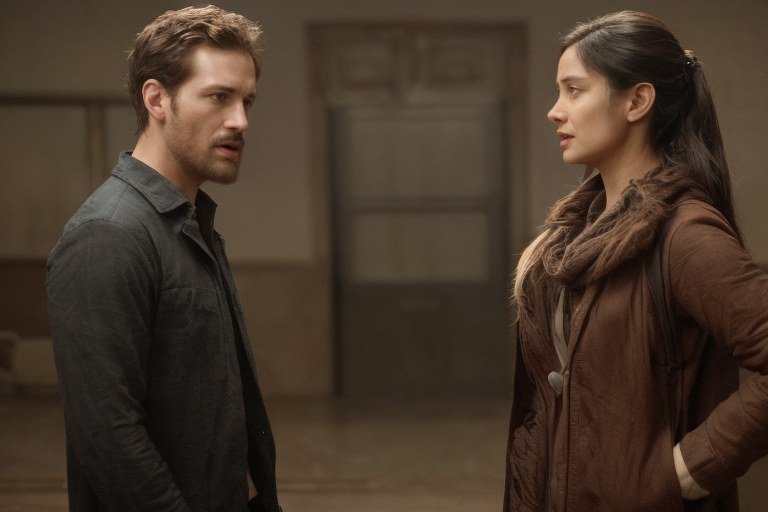
Can AI videos include synchronized audio and dialogue? — characters whose lips match their words, sound effects timed to actions, dialogue with natural back-and-forth? This is the frontier where AI video gets truly cinematic, and the answer in 2026 is: increasingly yes, with important caveats. Here’s the state of synchronized audio in AI video, what works now, and how to achieve it.
The Short Answer: Partially, and Improving Fast
Early AI video was silent — you generated visuals, added audio separately in editing. That’s still the dominant workflow. But native audio generation (models producing synchronized sound with the video) has arrived in recent models, and lip-synced dialogue is achievable through specialized pipelines. The technology is transitioning from “video then audio” to “video with audio” — we’re mid-transition, which means knowing both workflows matters.
Can AI Videos Include Synchronized Audio and Dialogue? Current Capabilities
Native audio generation (emerging)
The newest video models generate audio alongside visuals: ambient sound matching the scene, sound effects timed to visible actions, even rudimentary dialogue. Quality varies enormously — ambient audio and simple effects work surprisingly well; complex dialogue remains rough. This is the fastest-moving area: expect rapid improvement. When evaluating tools, check whether “audio” means true synchronized generation or just background music slapped on.
Lip-synced dialogue (achievable via pipeline)
Convincing dialogue with matching lip movements requires combining technologies:
- Generate or obtain the video with characters whose faces are clearly visible and relatively still (extreme head movement breaks lip-sync).
- Create the dialogue audio — AI voiceover (our guide: AI voiceover) or cloned voices (voice cloning).
- Apply lip-sync AI — specialized tools that modify the video’s mouth region to match the audio’s phonemes. Quality has improved dramatically; good results are genuinely convincing at normal viewing.
- Mix and master: dialogue levels, room tone, ambient sound, and effects balanced professionally.
This pipeline produces the talking-head and dialogue scenes populating AI content today — our talking-head guide (AI talking heads) covers the presenter-specific workflow.
Sound effects and Foley (very achievable)
AI sound-effect generation timed to video is quite mature: describe the action (“door slamming,” “waves crashing,” “crowd cheering”), generate, sync in editing. For most content, this plus music covers audio needs completely. The bar here is lower than dialogue — effects just need to feel right, not match phonemes.
Music (solved)
AI music generation for video soundtracks is well-established — our music coverage aside, the workflow is: generate or license music matching the video’s mood and pacing, edit to picture. Not synchronized in the technical sense, but musically synchronized through editing craft.
Dialogue Workflows: Practical Approaches
- Single speaker, direct address: the easiest — talking-head formats with lip-sync work reliably. Start here.
- Two-person conversations: harder — requires consistent characters (our consistency guide: consistent characters), turn-taking timing, and reaction shots. Achievable with careful shot planning.
- Group scenes: very hard — multiple speakers, overlapping dialogue, complex blocking. Beyond reliable current capability; simplify or avoid.
- Voiceover narration: no lip-sync needed — the standard, reliable approach for most AI video content.
- Dubbed dialogue: generate in one language, dub others with lip-sync adjustment — our dubbing guide (AI dubbing) covers the multilingual angle.
Quality Factors
- Face visibility: lip-sync needs clear, front-facing mouths. Profile shots, obscured faces, and rapid head movement defeat it.
- Audio quality first: great lip-sync can’t save bad dialogue audio. Invest in voice quality before sync.
- Language matters: lip-sync models trained primarily on English; other languages work with varying quality. Test your target language specifically.
- Uncanny tolerance: viewers forgive minor sync imperfections in stylized content; photorealistic content gets scrutinized harder. Match ambition to capability.
- Performance direction: even perfect sync needs directed delivery — pacing, emotion, emphasis. The voiceover direction principles (voiceover guide) apply fully.
What’s Coming
The direction is clear: native synchronized dialogue generation — models that produce video with matching dialogue in a single generation, understanding the relationship between speech, lip movement, and performance. Early versions exist; quality versions are coming. When they arrive, the pipeline above compresses into prompting — “two friends argue about pizza toppings, shot/reverse-shot” — and the model handles sync natively. Until then, the multi-stage pipeline is the professional standard.
Accessibility and Synced Audio
One more dimension worth noting: synchronized dialogue and proper audio mixing aren’t just aesthetic choices — they’re accessibility requirements. Captions, clear dialogue levels, and audio descriptions make content available to deaf, hard-of-hearing, and visually impaired audiences. AI workflows actually make accessibility easier: transcription is automatic, captions are cheap, and audio description tracks can be generated alongside main audio. Build accessibility into your synced-audio workflow from the start rather than retrofitting it — it’s both the right thing and, increasingly, a platform and legal expectation.
For more background, see ElevenLabs’ voice AI platform.
The Takeaway
AI videos can include synchronized audio and dialogue today through combined pipelines — AI voiceover plus lip-sync AI for dialogue, AI sound effects for Foley, AI music for scores — with native synchronized generation emerging rapidly. Start with single-speaker formats (most reliable), master the voiceover-to-lip-sync pipeline, and position for native generation as it matures. The silent era of AI video is ending; the talkies are here.



