
How long can AI-generated videos be? It’s one of the most practical questions in AI video — and the answer reveals a lot about how the technology works and where it’s heading. Current limits range from seconds to minutes depending on the tool, but “maximum duration” and “usable duration” are different things. Here’s the complete picture for 2026.
How Long Can AI-Generated Videos Be? Current Maximums
- Sora (OpenAI): up to ~60 seconds for extended generations — the current leader in single-clip duration with maintained coherence.
- Runway Gen-series: typically 5–16 seconds per generation depending on model and settings.
- Luma Dream Machine: around 5–10 seconds standard, with extensions possible.
- Kling: 5–10 seconds, with strong quality in that range.
- Pika: short clips, typically under 10 seconds.
- Google Veo: extending durations competitively, roughly in the tens-of-seconds to minute range depending on tier.
- Open-source local models: highly variable — seconds to tens of seconds depending on hardware and model.
The pattern: ~10 seconds is comfortable for most tools; ~60 seconds is the current frontier for top-tier models; beyond that requires chaining techniques.
Why Duration Is Hard (The Technical Reasons)
Our explainer on how video generation AI works details the mechanics; the duration-specific challenges:
- Temporal coherence decay: each additional frame is another opportunity for drift — morphing objects, shifting details, wandering physics. Error compounds over time; maintaining coherence for 1,440 frames (60s at 24fps) is exponentially harder than 120 frames (5s).
- Memory constraints: the model must “remember” the scene across the entire generation. Attention mechanisms have practical limits on how much temporal context they handle effectively.
- Compute scaling: generation cost scales steeply with duration — longer videos aren’t just slower, they’re disproportionately expensive.
- Narrative coherence: beyond visual consistency, longer videos need story coherence — cause and effect, character motivation, plot logic. Current models simulate appearance well but don’t truly understand narrative.
Maximum vs. Usable Duration
Crucial distinction: a tool’s maximum generation length isn’t its usable length. A 60-second Sora generation might have 20 seconds of great footage and 40 seconds of drift. Experienced creators generate at maximum durations but use the best segments — treating long generations as footage libraries rather than finished clips. Plan for usable durations roughly half of maximums for quality-critical work.
How Creators Make Long Videos Anyway
Since single generations cap at ~60 seconds, long-form AI video uses architectural approaches — our complete guide (making long AI videos) details the full methodology. Summary:
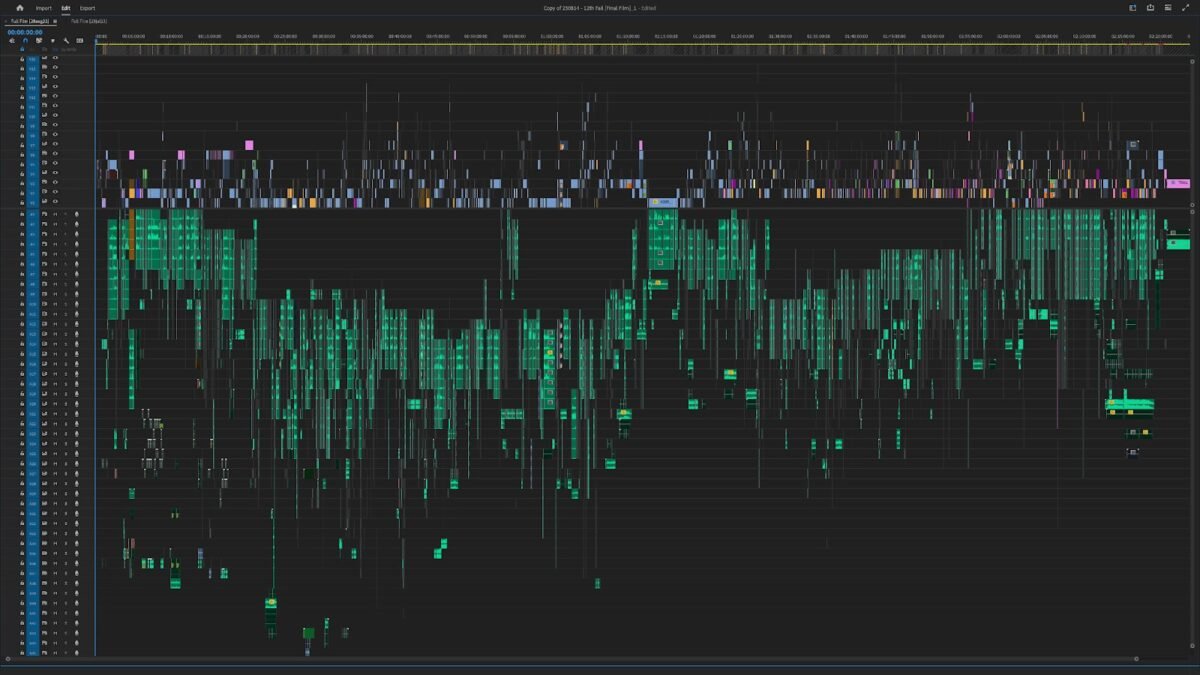
- Shot-based assembly: generate dozens of short clips, edit together traditionally. The standard professional method — no duration limit except your patience.
- Seamless chaining: use the last frame of clip N as the first frame of clip N+1 for continuous sequences.
- Extension features: some tools extend existing generations — generate 10 seconds, extend another 10, repeat. Quality degrades with extensions; plan accordingly.
- Looping: for ambient and background content, perfect loops from short clips serve indefinite durations.
- Hybrid with real footage: AI for impossible/expensive shots, real footage for grounding — most “long AI videos” are actually hybrids.
Duration by Use Case: What’s Practical Today
- Social clips (5–30s): single generations handle this natively. The sweet spot of current technology.
- Ads (15–60s): achievable with 1–3 generations plus editing. Very practical.
- YouTube segments (1–5 min): shot-based assembly required. Standard workflow for AI-assisted channels.
- Short films (5–15 min): ambitious but achievable — our long-video guide covers the production realities. Expect significant effort.
- Feature-length: not practical with current technology. The coherence and narrative demands exceed capabilities by orders of magnitude.
Where Durations Are Heading
The trajectory points firmly toward longer: each model generation extends practical durations, architectural innovations (better temporal memory, hierarchical generation) specifically target the coherence problem, and the economic incentives are enormous (whoever cracks long-form AI video first wins big). Reasonable forecast: reliable multi-minute single generations within 2–3 years; longer narrative coherence taking longer. But note the pattern from image generation: capabilities arrive faster than expected, and the creators ready with workflows benefit most. Our generation-time guide (AI video generation time) covers the practical planning side.
Planning Around Limits: A Practical Framework
When scoping any AI video project, run this quick planning sequence: (1) What’s the final duration needed? (2) How many shots does that imply at 5–8 seconds each? (3) What’s my realistic keeper rate per generation (start by assuming 1 in 3)? (4) Total generations = shots × 3, and total generation time = generations × per-clip time × iteration factor. This arithmetic, done upfront, prevents the two classic failures: under-budgeting time and over-scoping ambition. Every experienced AI video creator does this math instinctively; beginners should do it explicitly until it becomes habit.
For more background, see OpenAI’s Sora page.
The Takeaway
AI-generated videos currently max out around 60 seconds per generation (Sora leading), with ~10 seconds being the comfortable standard — but usable durations run shorter than maximums, and long-form content is built through shot-based assembly regardless. Design around today’s limits with chaining and editing craft, and position for tomorrow’s extensions by mastering the workflows. Duration limits are temporary; directing skill is permanent.




1 Comment