
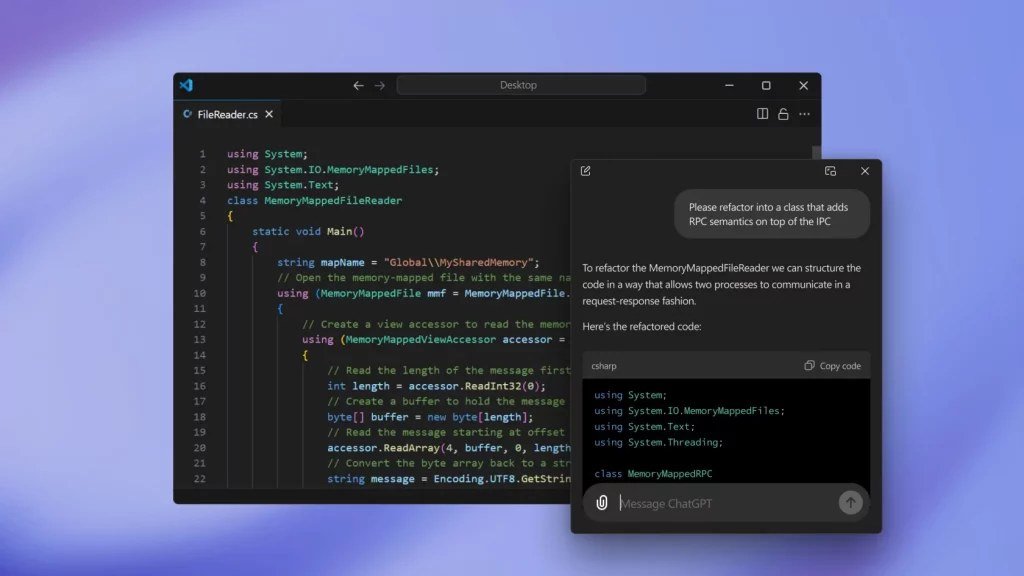
Refactoring is the work everyone postpones: the tangled module, the 900-line function, the “temporary” hack from three years ago. AI doesn’t remove the risk of refactoring — but it dramatically lowers the effort. How to refactor a codebase with AI assistance without turning it into a resume-generating event? There’s a safe method, and it starts before the AI touches anything.
How to refactor a codebase with AI assistance: What Actually Works
This is non-negotiable. Before any AI-assisted refactor, you need a safety net: tests that capture current behavior. No tests? Have the AI write characterization tests first — “write tests that capture what this module currently does, bugs included.” Run them, confirm green. Now you have a contract: the refactor is done when the tests still pass. This is also the standard you’d apply to any AI-generated code heading to production.
The Safe Refactor Loop
- One slice at a time. Never “refactor the whole auth system.” Pick one module, one concern. Small diffs are reviewable diffs.
- State the goal explicitly. “Extract the validation logic from this 400-line function into separate testable functions. Do not change behavior.” Vague instructions get creative reinterpretations.
- AI proposes, you dispose. Let it suggest the new structure, but review the diff like a hawk. AI refactors tend to “improve” behavior as a side effect — which is just a polite word for introducing bugs.
- Run the tests after every slice. Green? Commit. Red? Revert the slice, not the day.
- Keep a human-readable changelog. Future you will want to know why the module looks different.
Good refactor targets for AI
- Extracting functions from god-functions
- Renaming for clarity across a module
- Converting callbacks to async/await
- Removing dead code (verify with coverage tools, not just AI’s word)
- Standardizing error handling patterns
Bad targets (do these yourself)
Architecture changes, concurrency model shifts, and anything where “behavior must not change” is hard to verify. AI is a brilliant assistant surgeon, not the lead on a heart transplant.
Start the whole process by having AI explain the legacy code first — you can’t safely refactor what you don’t understand. And if the refactor reveals the framework itself is the problem, framework migration is the bigger conversation.
Measuring Refactor Success
How do you know the refactor worked? “It feels cleaner” isn’t a metric. Track these: test pass rate (must stay 100% throughout — that’s the whole point of the safety net), cyclomatic complexity per function (tools like SonarQube or simple linters measure this; it should drop), mean time to understand (informal but real — ask a teammate to explain the refactored module and time them vs. the old one), and defect rate in the refactored area over the following month.
Also track what didn’t change: performance benchmarks before and after (refactors that silently slow things down are depressingly common), and API compatibility if other systems depend on the module. A refactor that changes behavior isn’t a refactor — it’s a rewrite wearing a disguise, and rewrites need their own planning.
Report the wins. “Refactored the billing module: complexity down 40%, onboarding time for new devs cut from 3 days to 1, zero regressions” is the kind of sentence that gets the next refactor approved. Refactoring is chronically underfunded because its benefits are invisible; make them visible with numbers and the budget conversations get much easier. AI makes the work cheap — metrics make the value undeniable.
Common AI Refactor Mistakes
Watch for these patterns — they’re the characteristic ways AI-assisted refactors go wrong. Behavior drift: the AI “improves” logic while restructuring. It looks like a cleanup; it’s actually a behavior change wearing a costume. Diff carefully, test obsessively. Over-abstraction: AI loves creating abstractions — factories, strategies, interfaces — where a simple function would do. If the refactor adds more concepts than it removes, push back.
Test-shaped holes: the AI refactors code that tests don’t cover, and declares victory because tests pass. Coverage tools are the antidote — check that the refactored lines were actually exercised. Big-bang slices: letting the AI refactor too much at once produces diffs nobody can review honestly. Keep slices small enough to review in one sitting. Every one of these is fixable with discipline: small slices, explicit “don’t change behavior” instructions, coverage checks, and a reviewer who’s allowed to say “this is too clever.”
Your next step: pick one module, write characterization tests this week, and refactor a single slice. Small, green, committed. Repeat weekly. In three months you won’t recognize the codebase — in the best way.
And celebrate the small wins publicly. Each “complexity down, zero regressions” update builds organizational appetite for the next refactor — turning a dreaded chore into a habit the whole team owns.
The Takeaway
Tests first, small slices, explicit goals, review every diff, run tests constantly. AI turns refactoring from a dreaded quarter-long project into steady weekly progress — as long as the safety net goes up before the demolition starts.
Methodology background: Wikipedia’s refactoring overview covers the classic techniques AI now accelerates.



